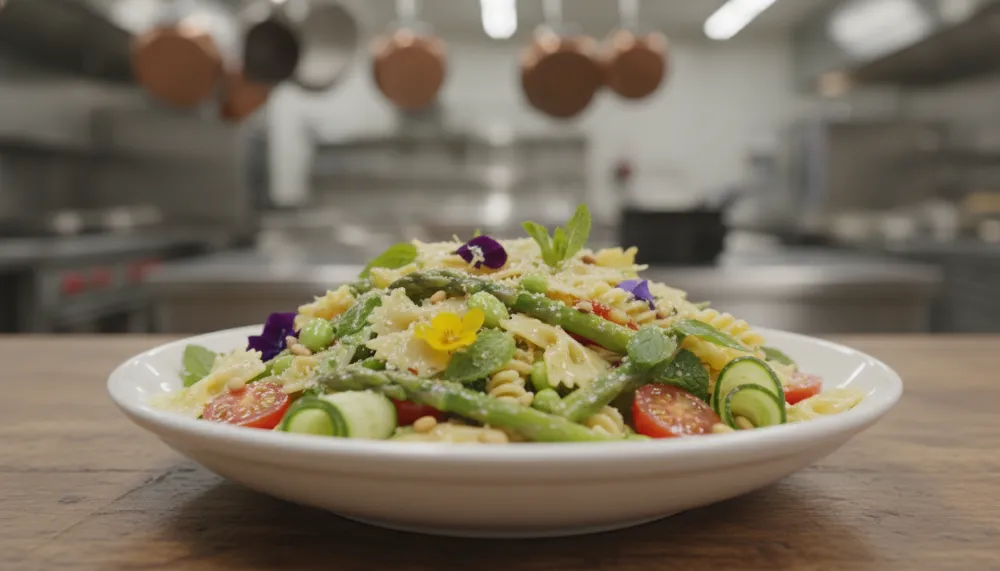
Experience the vibrant flavors of the season with this garden-fresh vegan spring pasta salad, a light yet satisfying dish that perfectly balances crunchy vegetables with a zesty herb-infused dressing. This nutrient-dense meal is the ultimate solution for sunny picnics, busy weeknight dinners, or sophisticated meal prepping.
Ultimate Vegan Spring Pasta Salad
Ingredients
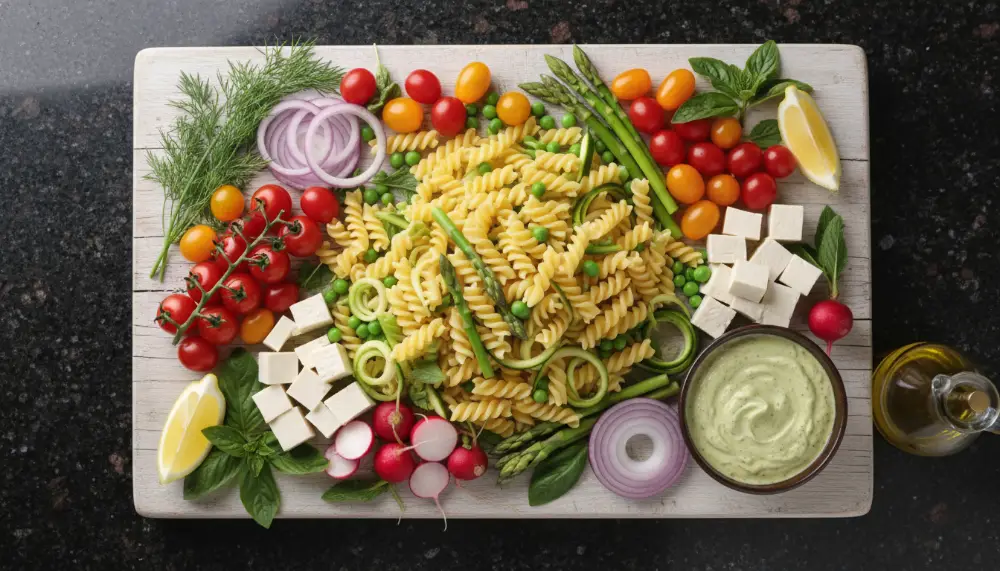
- 16 oz Fusilli or Rotini pasta
- 1 bunch Asparagus (trimmed and cut into 1-inch pieces)
- 1 cup Frozen peas
- 1 cup Cherry tomatoes (halved)
- 4 Radishes (thinly sliced)
- 1/4 cup Tahini
- 1/4 cup Extra virgin olive oil
- 2 tbsp Fresh lemon juice
- 2 cloves Garlic (minced)
- 1/2 cup Fresh herbs (dill, parsley, mint)
Instructions
- Cook the Pasta: Bring a large pot of salted water to a boil. Cook pasta according to package directions until al dente.
- Blanch Vegetables: During the last 2 minutes of pasta cooking, add the asparagus and peas to the same pot. Drain and immediately rinse with cold water to stop the cooking process.
- Whisk Dressing: Use the Ninja BN751 Professional Plus DUO Blender (https://amzn.to/3LCDyNR) to combine tahini, olive oil, lemon juice, garlic, and herbs until smooth.
- Assemble: In a large bowl, combine the pasta, blanched vegetables, tomatoes, and radishes. Pour the dressing over the top.
- Final Toss: Toss thoroughly to coat. Garnish with extra herbs and black pepper. Chill for 30 minutes before serving.
The Rich History of Pasta Fredda: From Mediterranean Shores to Your Kitchen
The vegan spring pasta salad is more than just a modern health trend, it is the descendant of centuries-old culinary traditions. The concept of cold pasta, known as pasta fredda in Italy, has a fascinating heritage. Historically, Italian-Jewish communities played a pivotal role in popularizing cold pasta dishes. Due to the prohibition of cooking on the Sabbath, they developed ingenious recipes that could be prepared in advance and eaten at room temperature or chilled. This allowed for the flavors to meld beautifully without violating traditional customs.
In Sicily, cold pasta was born out of necessity. During the sweltering Mediterranean summers, the idea of a heavy, steaming bowl of sauce was unappealing. Instead, families would toss leftover pasta with fresh olive oil, seasonal herbs, and raw vegetables. By the 1980s, this concept exploded in the United States, evolving from a simple side dish into a sophisticated main course that features protein-rich legumes and innovative plant-based dressings. Today, the vegan spring pasta salad represents the pinnacle of this evolution, focusing on sustainability and the vibrant produce of the vernal equinox.
Selecting the Perfect Ingredients for Your Spring Harvest
A truly exceptional vegan spring pasta salad relies on the quality of its components. Unlike warm dishes where heat can mask subtle flavors, a cold salad highlights the integrity of every ingredient. Start with your pasta choice. Short, textured shapes like fusilli, gemelli, or rotini are superior because their ridges and spirals act as “sauce catchers,” ensuring that every bite is well-saturated with dressing.
Seasonal Vegetable Selection
Spring is the season of renewal, and your vegetable selection should reflect that. Asparagus is the star of the show, bringing an earthy sweetness and a satisfying snap. When shopping, look for firm stalks with tightly closed tips. Sugar snap peas and radishes add necessary crunch, while cherry tomatoes provide bursts of acidity. If you want to add a unique twist, consider using the Cosori 9-in-1 TurboBlaze Air Fryer 6 Qt (https://amzn.to/4hRWmVq) to roast chickpeas or sliced radishes before adding them to the salad. This adds a smoky, charred depth that contrasts beautifully with the fresh elements.
The Culinary Science of a Vegan Dressing
Creating a creamy dressing without dairy requires an understanding of emulsification. In this recipe, tahini acts as the primary emulsifier. Tahini is a paste made from toasted sesame seeds that contains natural fats and proteins, which help bind the water-based lemon juice and oil-based extra virgin olive oil together. To achieve the smoothest texture possible, a high-powered tool is essential. The Ninja BN751 Professional Plus DUO Blender (https://amzn.to/3LCDyNR) is perfect for this task, as its 1000W motor can pulverize garlic and fresh herbs into a silk-like consistency in seconds.
Flavor balance is also key. The bitterness of tahini is neutralized by the acidity of lemon juice and a small amount of sweetness. While some use honey, we recommend a dash of apple juice or maple syrup to keep it strictly plant-based. This dressing not only coats the pasta but also “marinates” the vegetables, slightly softening the raw crunch of the radishes and asparagus as the salad sits.
Professional Flavor Variations
Chefs often elevate a basic vegan spring pasta salad by focusing on texture contrast and aromatic brightness. Here are three professional variations you can try at home:
1. The Green Goddess (Creamy & Herby)
This variation focuses on a monochromatic green palette. Use gemelli pasta and toss with blanched asparagus, edamame, and massive amounts of fresh dill and parsley. The dressing should be heavy on tahini and garlic. For a fast prep, the Cuisinart 8 Cup Food Processor (https://amzn.to/47Nhbg8) is an essential tool for chopping the huge volume of herbs required for this vibrant version.
2. The Zesty Garden Vinaigrette
If you prefer a lighter, oil-based dressing, opt for a lemon-mustard vinaigrette. Use bowtie pasta (farfalle) and add shaved carrots, cucumber crescents, and baby arugula. The acidity of the lemon juice will slightly wilt the arugula, creating a sophisticated texture. This version is particularly refreshing on hot days and pairs well with a side of grilled tofu.
3. The Protein-Packed Spring Harvest
To turn this into a high-protein powerhouse, use chickpea-based pasta or add a can of cannellini beans. Incorporate steamed green beans and red bell peppers for color. Instead of pork-based proteins, which are strictly excluded, seasoned chickpeas air-fried in the Cosori 9-in-1 TurboBlaze Air Fryer 6 Qt (https://amzn.to/4hRWmVq) provide a savory, “meaty” bite that satisfies even the most dedicated carnivores.
Nutritional Excellence of Plant-Based Pasta
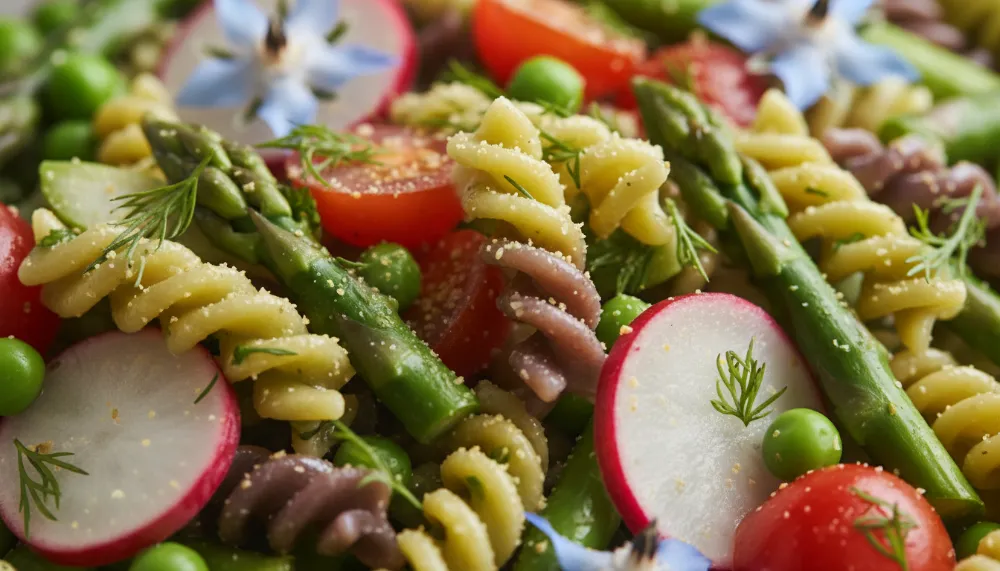
A typical serving of this vegan spring pasta salad is a nutritional powerhouse. With approximately 350 to 450 calories per serving, it provides a balanced macronutrient spread. The pasta provides complex carbohydrates for sustained energy, while the legumes and veggies contribute 8 to 12 grams of plant-based protein. Furthermore, the high fiber content (7 to 10 grams) from the seasonal vegetables and whole-grain pasta options ensures digestive health and satiety.
Micronutrients are where this dish truly shines. You are getting a massive dose of Vitamin C from the bell peppers and lemon, Vitamin K from the asparagus and spinach, and essential healthy fats from the extra virgin olive oil. It is a meal that makes you feel as good as it tastes.
Storage and Meal Prep Mastery
The beauty of a vegan spring pasta salad is that it often tastes better the next day. As it sits, the pasta absorbs the dressing, and the flavors of the garlic and herbs intensify. However, proper storage is critical to maintaining the vibrant colors and textures of the spring vegetables. Using high-quality storage solutions like the Rubbermaid Brilliance Glass Storage Set of 9 (https://amzn.to/4oD0YkY) is recommended because the airtight lids prevent the pasta from drying out and the glass does not absorb odors from the garlic-heavy dressing.
If you are preparing ingredients in bulk for the week, the FoodSaver Vacuum Sealer Machine (https://amzn.to/4qWgVnS) can keep your blanched vegetables like asparagus and peas fresh for much longer, preventing the oxidation that turns green vegetables brown. When you are ready to assemble, simply open the vacuum-sealed bag and toss with your freshly made dressing.
Final Tips for the Ultimate Salad
- Salt the Water: Your pasta water should be as salty as the sea. This is your only chance to season the pasta itself from the inside out.
- Al Dente is Vital: Slightly undercook your pasta by 1 minute. It will soften further once it sits in the dressing.
- The Ice Bath: Don’t skip the cold rinse for your blanched vegetables. It locks in that bright green color that makes a vegan spring pasta salad so visually appealing.
- Herb Freshness: Always add your tender herbs (like mint or cilantro) at the very last second to ensure they don’t bruise or turn black.