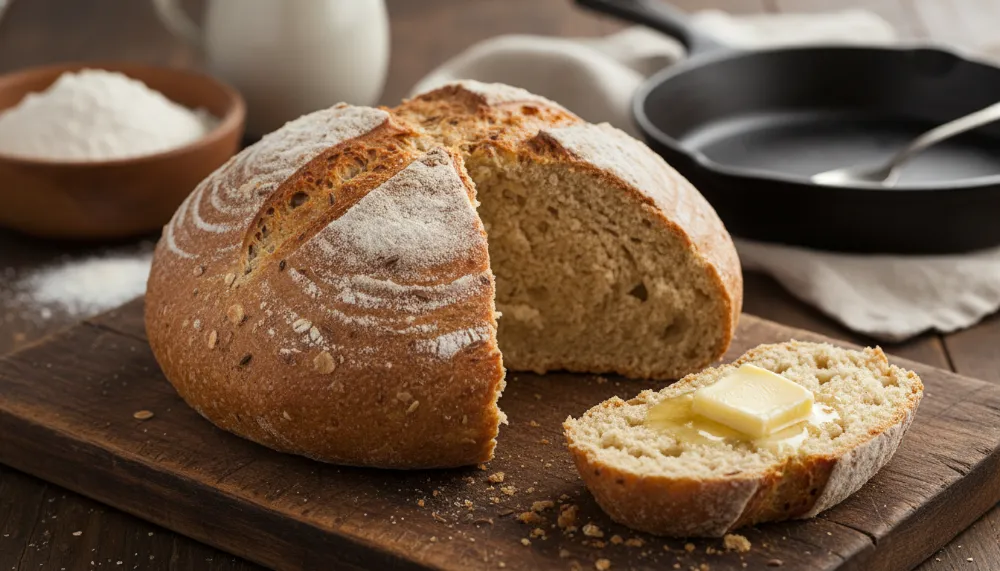
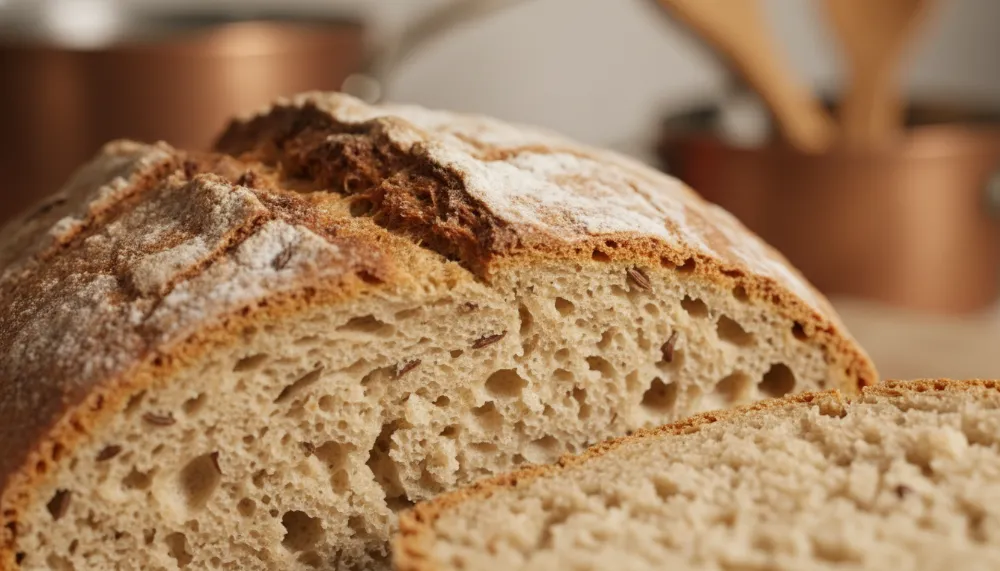
Experience the rustic charm of authentic Irish baking with this Traditional Irish Soda Bread, a four-ingredient masterpiece that requires no yeast and zero wait time. This crusty, golden loaf is the ultimate comfort food, perfectly balanced with a tender crumb and a rich, heritage-filled history.
Traditional Irish Soda Bread
Ingredients
- 1 4 cups (500g) All-Purpose Flour (or Bread Flour)
- 2 1 teaspoon Baking Soda (Bicarbonate of Soda)
- 3 1 teaspoon Salt
- 4 1 3/4 cups (420ml) Real Buttermilk
Instructions
- 1 Preheat your oven to 425°F (220°C). Lightly flour a baking sheet or cast iron skillet.
- 2 In a large bowl, whisk together the flour, baking soda, and salt until perfectly combined.
- 3 Make a well in the center and pour in the buttermilk. Use a wooden spoon or your hand to gently mix until a soft dough forms. Do not overwork!
- 4 Turn the dough onto a floured surface and shape into a round loaf about 1.5 inches thick.
- 5 Place on the prepared sheet. Use a sharp knife to cut a deep cross into the top.
- 6 Bake for 30-35 minutes until the bread is golden brown and sounds hollow when tapped on the bottom.
The Fascinating History of Traditional Irish Soda Bread
To understand Traditional Irish Soda Bread, one must look back to the early 19th century. While many associate Ireland with ancient culinary traditions, this specific bread emerged as a necessity in the 1830s. It was during this period that bicarbonate of soda was first introduced to the island, providing a revolutionary way for families to bake bread without the need for expensive yeast or time-consuming fermentation processes.
Historically, Ireland’s temperate, damp climate was ideal for growing “soft” wheat. Unlike the “hard” wheat grown in drier climates, soft wheat contains less gluten, making it less than ideal for yeasted breads which require a strong protein structure to trap gas. However, soft wheat is the perfect partner for baking soda. When the lactic acid in buttermilk reacts with the sodium bicarbonate, it creates carbon dioxide bubbles that lift the bread, creating a dense yet tender crumb that yeast could never replicate with Irish flour.
During the Great Famine, this bread became a literal lifesaver. With only four shelf-stable and inexpensive ingredients, even the most impoverished households could produce a filling, nutritious loaf. It was often cooked in a “bastible,” a large cast-iron pot with a lid that was placed directly into the coals of an open hearth. This method created the signature thick, crunchy crust that we still strive for in modern kitchens today.
The Science of the Rise: Why Buttermilk is Essential
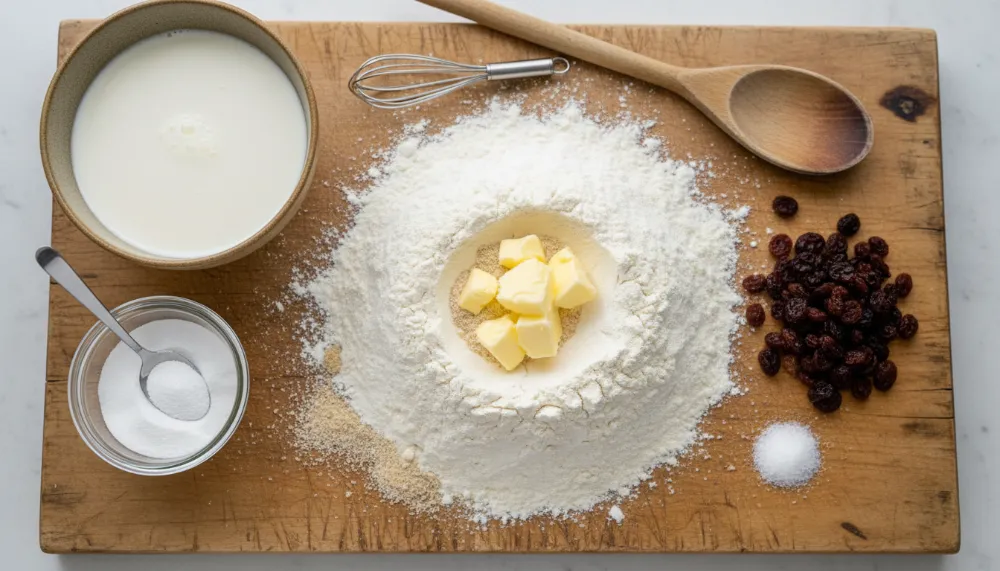
The chemistry behind Traditional Irish Soda Bread is a beautiful example of an acid-base reaction. The baking soda (the base) requires an acid to activate it. In traditional recipes, this acid is provided by buttermilk. Historically, this wasn’t the pasteurized buttermilk we find in cartons today, but rather the slightly sour liquid left over after churning butter. This liquid was rich in lactic acid, which, when combined with the soda, causes an immediate release of carbon dioxide.
Because this reaction begins the moment the liquid touches the dry ingredients, speed is of the essence. This is why professional bakers emphasize the “gentle touch.” Over-kneading the dough will not only knock out the precious air bubbles but will also develop the gluten too much, resulting in a bread that is tough and rubbery rather than crumbly and rustic. For the best results in handling the dough, the Cuisinart 8 Cup Food Processor (https://amzn.to/47Nhbg8) can be an essential tool for those looking to pulse their dry ingredients and fats quickly before the final hand-mix.
Symbolism of the Cross
Every loaf of Traditional Irish Soda Bread features a distinctive cross cut into the top. While it serves a vital practical purpose, allowing the thickest part of the dough to cook through and preventing the loaf from bursting, it is also steeped in folklore. Traditionally, Irish bakers said the cross was meant to “let the fairies out” or to ward off evil spirits from the household. Regardless of your belief in fairies, that deep score is what gives the loaf its iconic four-quartered look, often referred to as “farls” when broken apart.
Nutritional Excellence of Soda Bread
In a world of highly processed white breads, Traditional Irish Soda Bread stands out as a nutritionally dense alternative. Per 100g, you are looking at approximately 280-290 calories, but these are calories packaged with fiber, protein, and essential minerals. Because it often utilizes whole-meal flour or unbleached flour, it provides a steady release of energy through complex carbohydrates.
The use of buttermilk adds a boost of calcium and riboflavin. Furthermore, compared to many commercial breads, soda bread is typically lower in fat (unless butter is added) and contains no processed sugars or preservatives. For families focused on meal prep and health, storing these loaves in a Rubbermaid Brilliance Glass Storage Set (https://amzn.to/4oD0YkY) ensures the bread stays fresh and the crust remains intact without the use of plastic wraps.
Professional Variations: From Sweet to Savory
While the basic four-ingredient recipe is sacred, professional chefs have long adapted Traditional Irish Soda Bread to suit different courses. Here are some high-end variations that strictly adhere to our dietary guidelines:
- The “Spotted Dog”: This is a beloved sweet version where sultanas or currants are added to the dough along with a tablespoon of sugar. To make it truly professional, soak your raisins in a bit of apple juice beforehand to plump them up.
- Savory Beef and Chive: A hearty meal-replacement loaf. Fold in finely diced smoked beef and fresh chives. This pairs exceptionally well with a hot bowl of vegetable soup. For the perfect vegetable base, the Ninja BN751 Professional Plus DUO Blender (https://amzn.to/3LCDyNR) can pulverize root vegetables into a silky consistency.
- Seedy Soda Bread: Popular in modern Dublin bistros, this involves adding toasted sunflower seeds, sesame seeds, and caraway seeds to the dough for an incredible texture and nutty flavor profile.
Mastering the Technique: Pro Tips for Success
Even though the recipe is simple, the technique requires finesse. Here are the secrets to a bakery-quality loaf:
- Don’t Over-mix: We cannot stress this enough. Mix until the flour is just moistened. The dough should look shaggy and slightly sticky.
- Cold Ingredients: While not as critical as with pastry, keeping your buttermilk cold helps maintain a slower reaction time, giving you a few extra seconds to shape the loaf before it hits the oven.
- The Hollow Test: To check for doneness, turn the loaf over and tap the bottom with your knuckles. It should sound like a hollow drum. If it sounds dull, it needs another 5 minutes.
- The Tea Towel Trick: If you prefer a softer crust, wrap the hot bread in a clean, damp tea towel as soon as it comes out of the oven. The steam will soften the exterior.
For those who want to prepare their dry mixes in advance, using a FoodSaver Vacuum Sealer Machine (https://amzn.to/4qWgVnS) to seal pre-measured flour and soda portions can save immense time during busy holiday bakes.
Pairing and Serving Suggestions
Traditional Irish Soda Bread is versatile. For a classic experience, serve it warm with a thick slab of salted butter. However, its density makes it the perfect vessel for soaking up juices. It is the mandatory accompaniment to a hearty Beef Stew (using beef broth instead of wine) or a thick potato and leek soup.
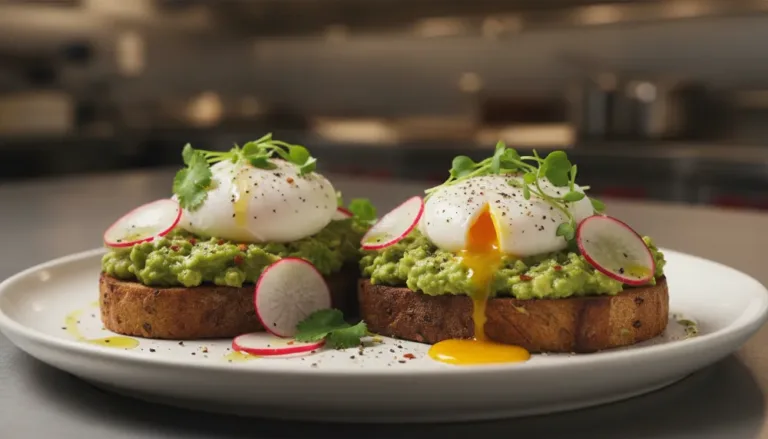
If you have leftovers, soda bread makes incredible toast the next day. Because it is denser than yeast bread, it holds up well to heavy toppings like avocado, poached eggs, or even a savory chicken salad. If you’re roasting vegetables to go alongside your bread, the Cosori 9-in-1 TurboBlaze Air Fryer (https://amzn.to/4hRWmVq) is perfect for achieving that charred, caramelized finish on carrots and parsnips that complement the bread’s earthy notes.
Frequently Asked Questions
Can I use a buttermilk substitute?
If you don’t have buttermilk, you can mimic the acidity by adding a tablespoon of lemon juice or white vinegar to a cup of milk and letting it sit for five minutes. While it works in a pinch, real buttermilk provides a superior flavor and a more tender crumb.
Why did my bread turn green?
This is a common and harmless chemical reaction! If the baking soda isn’t fully incorporated or if you use certain seeds (like sunflower seeds), the alkalinity can react with the antioxidants in the flour or seeds, causing small green spots. Ensure you whisk your dry ingredients thoroughly to prevent this.
How do I store soda bread?
Soda bread is best eaten the day it is made. However, you can store it in an airtight container for up to two days. For longer storage, slice the loaf and freeze it. It toasts beautifully straight from the freezer.