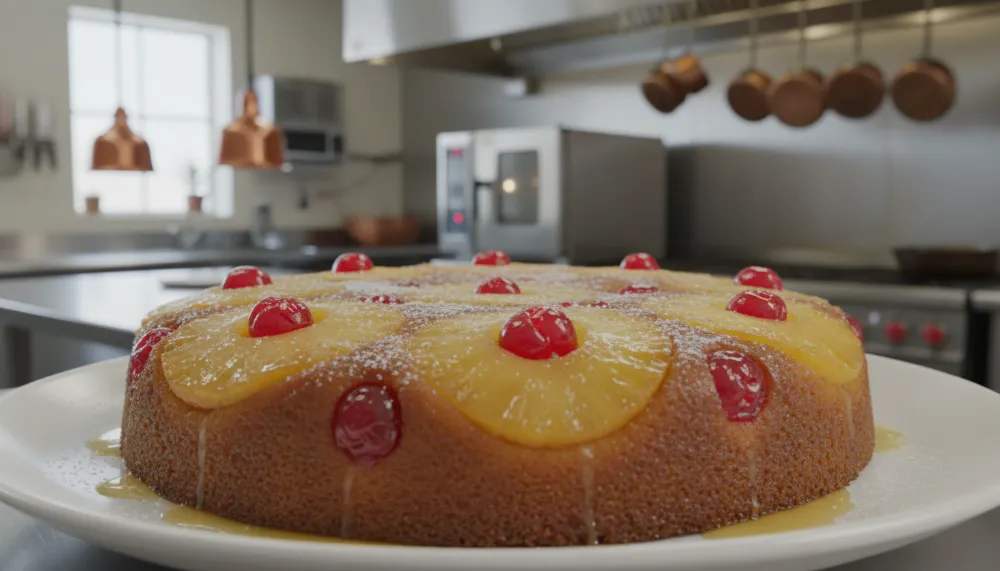
Experience the nostalgic charm of a perfectly caramelized Pineapple Upside Down Cake, a dessert that blends tropical sweetness with a rich, buttery sponge. This classic American treasure remains a showstopper on any dining table, offering a stunning presentation that is surprisingly simple to achieve at home.
Classic Pineapple Upside Down Cake
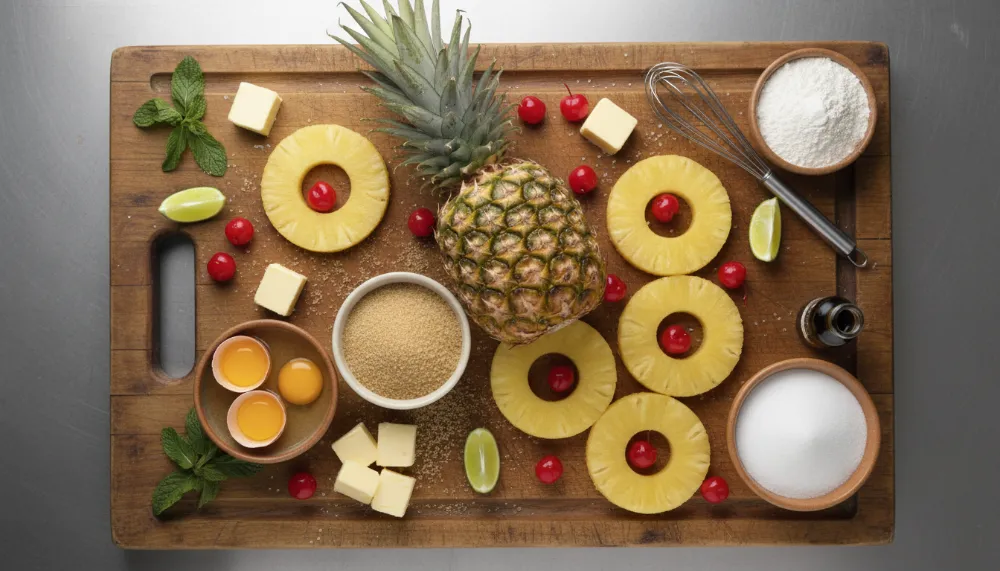
Ingredients
- 1 1/2 cup unsalted butter, melted
- 2 1 cup light brown sugar, packed
- 3 1 can (20 oz) pineapple slices, drained (reserve 2 tbsp juice)
- 4 1 jar maraschino cherries, stems removed
- 5 1 1/2 cups all-purpose flour
- 6 2 teaspoons baking powder
- 7 1/4 teaspoon salt
- 8 3/4 cup granulated sugar
- 9 1/2 cup butter, softened
- 10 1 large egg
- 11 1 teaspoon vanilla extract
- 12 1/2 cup whole milk
Instructions
- 1 Preheat oven to 350°F (175°C). Pour melted butter into a 9-inch round cake pan and tilt to coat the bottom.
- 2 Sprinkle brown sugar evenly over the melted butter.
- 3 Arrange pineapple slices on top of the sugar. Place a cherry in the center of each slice and in any gaps.
- 4 In a medium bowl, whisk together flour, baking powder, and salt.
- 5 In a separate large bowl, cream softened butter and granulated sugar until light and fluffy. Beat in the egg and vanilla.
- 6 Add the flour mixture alternately with the milk and reserved pineapple juice, beating until just combined.
- 7 Spread the batter carefully over the pineapple slices in the pan.
- 8 Bake for 40-45 minutes, or until a toothpick inserted in the center comes out clean.
- 9 Cool in the pan for 10 minutes. Run a knife around the edge and invert onto a serving plate.
The Fascinating History of Pineapple Upside Down Cake
The story of the Pineapple Upside Down Cake is as much a tale of industrial innovation as it is of culinary creativity. While the technique of baking cakes upside down dates back centuries to when home cooks used heavy cast-iron skillets over open hearths, the specific pineapple variant we know and love today is a 20th-century phenomenon. In the early 1900s, James Dole, known as the Pineapple King, revolutionized the fruit industry by perfecting a way to mass-produce canned pineapple rings. This made what was once an exotic, expensive luxury available to every American household, setting the stage for a dessert revolution.
By 1925, the Hawaiian Pineapple Company held a recipe contest that garnered over 60,000 entries. To the surprise of the judges, more than 2,500 of those recipes were for Pineapple Upside Down Cake. This solidified the cake as a cultural icon, representing the convenience of modern canned goods paired with the visual flair of high-end patisserie. The inversion technique, reminiscent of the French Tarte Tatin, creates a self-glazing topping that ensures every bite is infused with the juice of the fruit and the richness of caramelized brown sugar.
Understanding the Ingredients: The Anatomy of a Classic
To achieve the perfect Pineapple Upside Down Cake, one must understand the role each ingredient plays in the final architecture of the dessert. The foundation is the caramel layer, which consists of butter and brown sugar. As the cake bakes, the sugar dissolves into the butter, and the pineapple releases its natural juices, creating a syrup that thickens and clings to the fruit. Using light brown sugar provides a subtle molasses flavor, while dark brown sugar would offer a more intense, smoky profile, both are excellent choices depending on your personal preference.
The sponge itself must be sturdy enough to support the heavy fruit topping but light enough to soak up some of the syrup. A traditional yellow cake batter, enriched with whole milk and real butter, is the gold standard. The addition of a small amount of pineapple juice to the batter helps to bridge the flavor gap between the fruit and the cake, ensuring a cohesive tropical experience. When choosing your pineapple, canned rings are historically accurate and provide a uniform appearance, though fresh slices can be used if they are cut thinly and consistently.
Professional Plating and Presentation
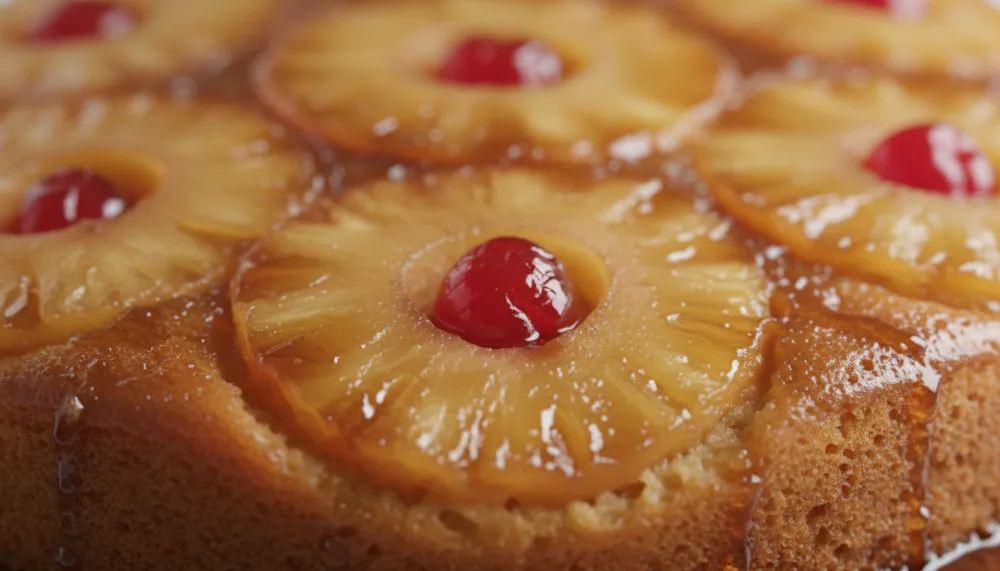
Presentation is where the Pineapple Upside Down Cake truly earns its reputation. The placement of the maraschino cherries is critical, they are traditionally placed in the center of the pineapple rings and in the small triangular gaps between them. This creates a vibrant red-and-gold pattern that is revealed only when the cake is flipped. The inversion is the most nerve-wracking part of the process, but it is made easier by letting the cake rest for exactly ten minutes, this allows the caramel to set slightly so it doesn’t run, while remaining warm enough to prevent sticking to the bottom of the pan.
Essential Kitchen Tools for the Modern Baker
Baking is a science, and having the right tools can make the difference between a soggy mess and a professional-grade masterpiece. Here are our top recommendations for equipment that will elevate your Pineapple Upside Down Cake and other culinary projects:
- Ninja BN751 Professional Plus DUO Blender: https://amzn.to/3LCDyNR (Why Perfect: The 1000W motor is incredibly efficient, it is perfect for pureeing fresh fruit if you want to make a pineapple-infused sauce or even creating your own nut pastes for alternative cake bases).
- Cosori 9-in-1 TurboBlaze Air Fryer 6 Qt: https://amzn.to/4hRWmVq (Why Perfect: This is an excellent tool for roasting fresh pineapple slices with a bit of sugar before they go into the cake pan, adding a deep roasted flavor profile).
- Cuisinart 8 Cup Food Processor: https://amzn.to/47Nhbg8 (Why Perfect: Essential for quickly cutting butter into dry ingredients for a crumbly variation or slicing extra garnishes with precision).
- Rubbermaid Brilliance Glass Storage Set of 9: https://amzn.to/4oD0YkY (Why Perfect: These are the gold standard for storing leftover slices, the leak-proof seals keep the moisture in the cake, preventing it from drying out in the fridge).
- FoodSaver Vacuum Sealer Machine: https://amzn.to/4qWgVnS (Why Perfect: If you use fresh pineapple, this is the best way to keep the remaining fruit fresh for your next bake, preventing freezer burn and oxidation).
The Science of Caramelization and Moisture
Caramelization is a complex chemical process where sugar is heated to the point that its molecules break down and reform into new, flavorful compounds. In a Pineapple Upside Down Cake, this happens at the interface between the fruit and the brown sugar mixture. The acid in the pineapple juice actually aids in this process, breaking down sucrose into glucose and fructose, which caramelize at lower temperatures than table sugar alone. This is why the topping of this cake is so much more flavorful than just sugar, it is a living chemical reaction that occurs during the 45 minutes of baking.
Moisture management is the second pillar of success. Because the fruit is at the bottom, it releases steam directly into the batter above it. This is why a denser, more “tight-crumbed” cake is preferred over a very airy chiffon style. If the batter is too light, the steam will create large pockets of air, making the cake structurally unsound once inverted. By using the proper ratio of fat to flour, you create a barrier that allows the cake to absorb flavor without losing its integrity.
Creative Variations and Professional Tweaks
While the classic recipe is timeless, professional bakers often experiment with flavor profiles to keep the dessert modern. One popular variation is the Tropical Coconut and Lime cake. By replacing half of the milk in the batter with full-fat coconut milk and adding fresh lime zest to the caramel layer, you transform the flavor profile into a sophisticated island treat. The acidity of the lime cuts through the heavy sweetness of the brown sugar, providing a balanced, bright finish.
Another high-end adaptation involves using brown butter, also known as beurre noisette. By melting the butter for the batter and cooking it until the milk solids turn golden and smell nutty, you add a layer of complexity that complements the caramel topping perfectly. For those who want more texture, adding toasted pecan halves in the gaps between the pineapple rings provides a satisfying crunch that contrasts with the soft, syrup-soaked fruit. Always remember to avoid alcohol-based additives, instead, use extra pineapple juice or a splash of apple cider vinegar to provide that necessary acidic kick often found in rum-based recipes.
Troubleshooting: How to Avoid the Soggy Bottom
The most common complaint with a Pineapple Upside Down Cake is a center that remains raw or soggy while the edges are overbaked. This is usually due to excessive liquid from the pineapple slices. To prevent this, always pat your pineapple rings dry with paper towels before placing them in the pan. If using canned pineapple, ensure it is thoroughly drained, any extra syrup from the can should be added to the batter in measured amounts rather than poured over the fruit. Additionally, ensure your oven is properly calibrated, baking at too high a temperature will brown the edges too quickly, leaving the moisture-heavy center underdone.
Another common issue is the fruit sticking to the pan during the flip. This happens if the caramel has cooled too much and hardened, or if the pan wasn’t sufficiently greased with butter initially. The 10-minute resting period is non-negotiable, it is the window of time where the cake has pulled away from the sides but the sugar is still in a liquid state. If you find the fruit has stuck, you can gently place it back on the cake, the glaze will act as a natural adhesive once it cools completely.
Nutritional Deep Dive and Serving Tips
A slice of Pineapple Upside Down Cake is an indulgent treat, rich in carbohydrates and healthy fats from the butter and fruit. While it is high in sugar, the pineapple provides a small boost of Vitamin C and manganese. To balance the richness, many serve this cake with a dollop of unsweetened whipped cream or a scoop of vanilla bean ice cream. For a more sophisticated pairing, consider a side of fresh berries to provide a tart contrast to the deep caramel notes.
When it comes to storage, this cake is best eaten within 24 hours of baking to enjoy the contrast between the moist sponge and the sticky topping. However, if you must store it, use high-quality glass containers to keep it airtight. If the cake has been refrigerated, a quick 10-second zap in the microwave can help revive that signature buttery texture. Whether you are baking this for a family gathering or a formal dinner party, the Pineapple Upside Down Cake remains a symbol of warmth and hospitality that never goes out of style.