Discover the silky, earthy perfection of a barista-level Oat Milk Matcha Latte made in minutes. This vibrant green powerhouse combines the ancient ritual of Japanese tea with the modern, velvety creaminess of premium plant-based milk.
Oat Milk Matcha Latte
Ingredients
- 1.5 tsp Ceremonial Grade Matcha Powder
- 2 oz Hot Water (175°F / 80°C)
- 8 oz Unsweetened Barista-Edition Oat Milk
- 1-2 tsp Maple Syrup or Honey (Optional)
- 1/4 tsp Alcohol-Free Vanilla Bean Paste
Instructions
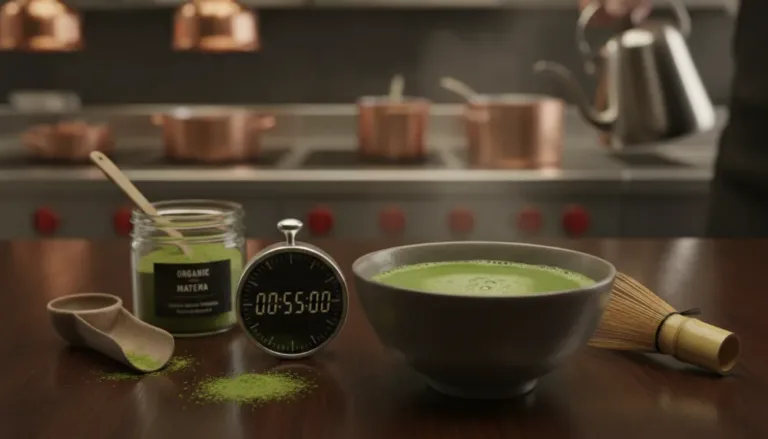
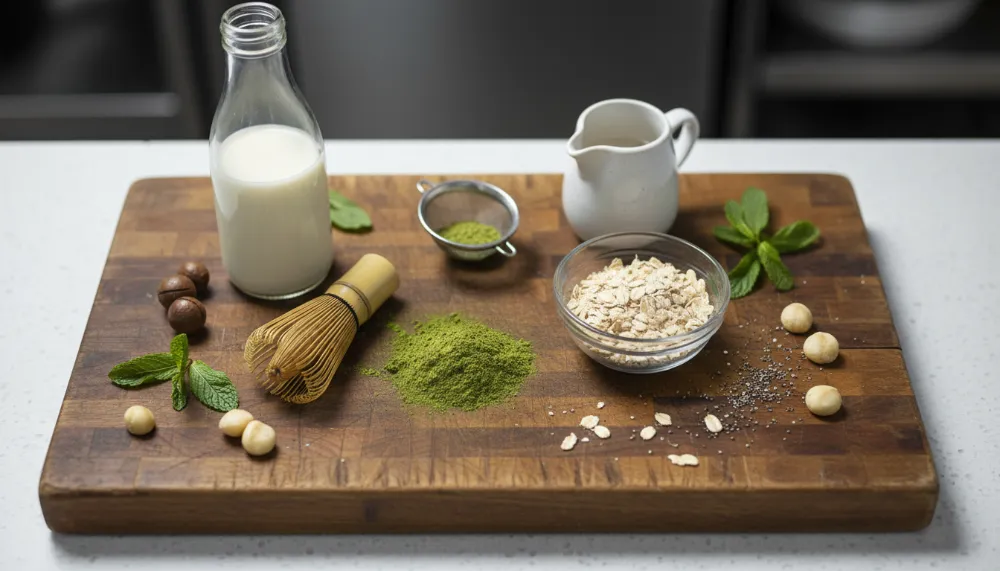
- Sift the matcha powder through a fine-mesh sieve into a bowl to remove all clumps.
- Add the hot water and whisk vigorously in a ‘W’ or ‘Z’ motion with a bamboo whisk until a thick froth forms on the surface.
- Stir in your sweetener and vanilla bean paste until fully dissolved.
- Heat and froth the oat milk until it reaches a creamy, micro-foam consistency (about 145°F).
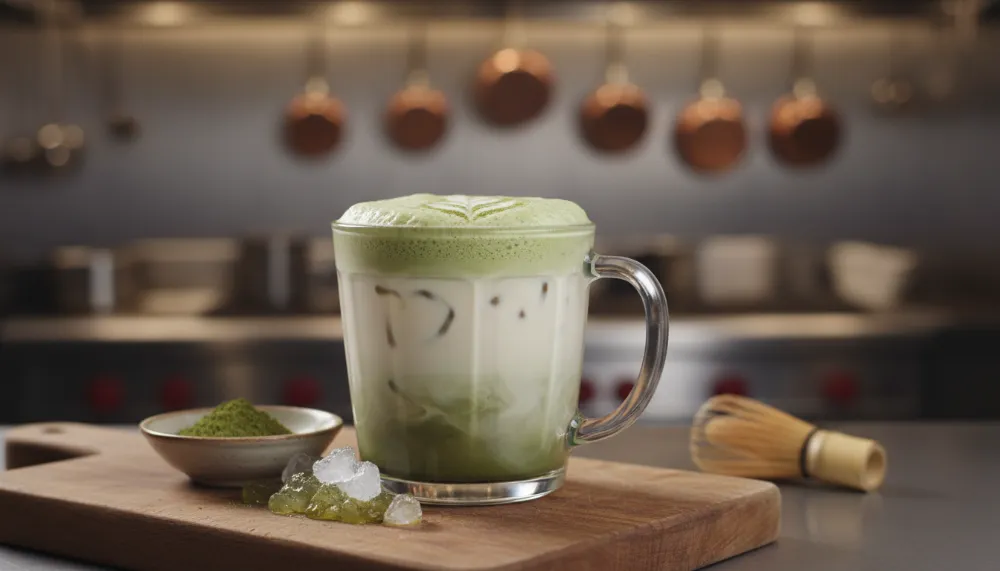
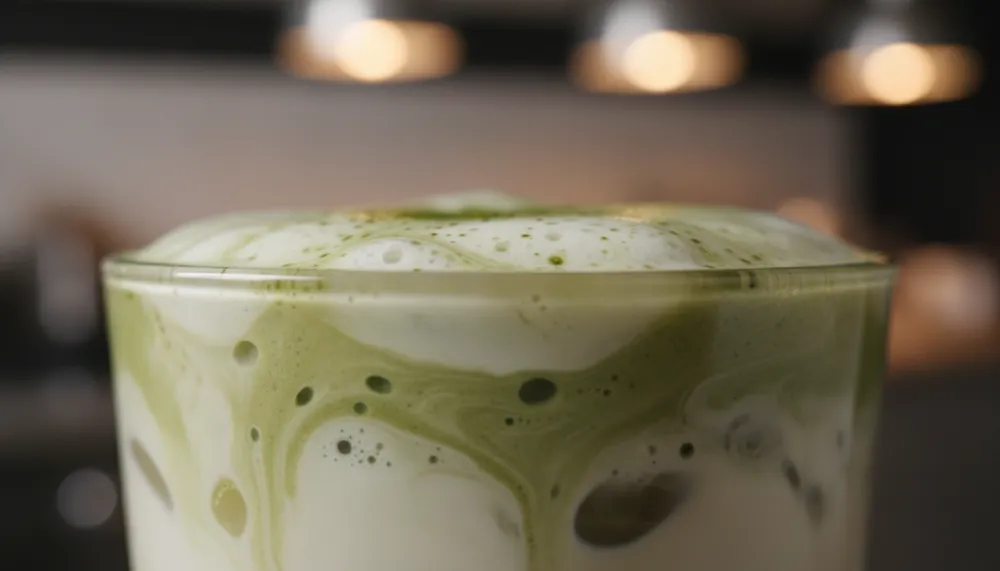
- Pour the frothed oat milk over the matcha concentrate and serve immediately.
The Rich History of Matcha and the Oat Milk Evolution
The journey of the Oat Milk Matcha Latte is a fascinating fusion of millennium-old tradition and modern food science. Matcha, or powdered green tea, finds its origins in China during the Tang Dynasty, which spanned from the 7th to the 10th century. During this era, tea leaves were steamed and formed into bricks for easy transport and storage. In 1191, the Japanese Buddhist monk Eisai brought tea seeds and the powdered preparation method to Japan, where it became a sacred ritual. Over centuries, Japan refined this into the Chanoyu, the traditional tea ceremony, focusing on shaded cultivation to increase chlorophyll and umami depth. The concept of mixing matcha with milk emerged in Western cafes in the late 20th century, but it truly gained mainstream traction in 2006 when global coffee chains introduced the green tea latte to the masses. The Oat Milk Matcha Latte revolution followed later, driven by the invention of oat milk in 1994 by Swedish scientist Rickard Öste. It entered the professional barista scene around 2016, chosen for its superior frothing ability and neutral, creamy profile that perfectly complements matcha’s earthiness without the chalky finish often associated with almond or soy milk.
Why Oat Milk is the Superior Choice for Matcha
When crafting an Oat Milk Matcha Latte, the choice of milk is not merely a dietary preference but a technical decision. Oat milk contains a specific type of soluble fiber called beta-glucan, which contributes to its incredibly creamy mouthfeel and its ability to hold micro-foam. Unlike dairy, which can sometimes overpower the delicate grassy notes of high-quality tea, oat milk acts as a canvas, allowing the umami characteristics of the matcha to shine through. To achieve the perfect emulsion of powder and liquid, using a high-quality blender is often recommended for large batches. The Ninja BN751 Professional Plus DUO Blender: https://amzn.to/3LCDyNR is perfect for this task because its 1000W motor ensures that the matcha particles are perfectly suspended in the oat milk, creating a smooth, grit-free beverage every time.
Understanding Ceremonial vs. Culinary Grade Matcha
To master the Oat Milk Matcha Latte, one must understand the grade of tea being used. Ceremonial grade matcha is made from the youngest tea leaves, which are stone-ground into a vibrant, neon-green powder. This grade is meant to be consumed with water alone, meaning it possesses a natural sweetness and zero bitterness. For a latte, many prefer a high-quality ceremonial grade to ensure the color remains bright green. Culinary grade, while more affordable, is harvested from older leaves and has a stronger, more astringent flavor that can stand up to heavy sweeteners or baking. Regardless of the grade, freshness is paramount. We recommend storing your tea in the Rubbermaid Brilliance Glass Storage Set of 9: https://amzn.to/4oD0YkY because the leak-proof, airtight seals prevent oxidation, which can turn your bright green powder into a dull, brownish-grey color. For even longer-term storage of bulk tea leaves or powders, using a FoodSaver Vacuum Sealer Machine: https://amzn.to/4qWgVnS is a professional secret to maintaining that fresh-harvest aroma.
Barista Tips for the Perfect Froth
The secret to a cafe-quality Oat Milk Matcha Latte lies in the temperature. You should never use boiling water to whisk your matcha, as temperatures above 175°F will scald the leaves and produce an intensely bitter taste. Similarly, oat milk should not be heated past 150°F. If you overheat the milk, the natural sugars break down, and the creamy texture collapses. If you are experimenting with adding texture to your drink, such as toasted oat clusters or dehydrated fruit garnishes, the Cosori 9-in-1 TurboBlaze Air Fryer 6 Qt: https://amzn.to/4hRWmVq is an excellent tool for roasting these toppings to a perfect crunch without the need for excess oils. Sifting is another non-negotiable step. Use a fine-mesh strainer to break down the static-charged clumps of powder before adding water. This ensures that every sip of your Oat Milk Matcha Latte is velvety and smooth.
Professional Flavor Variations
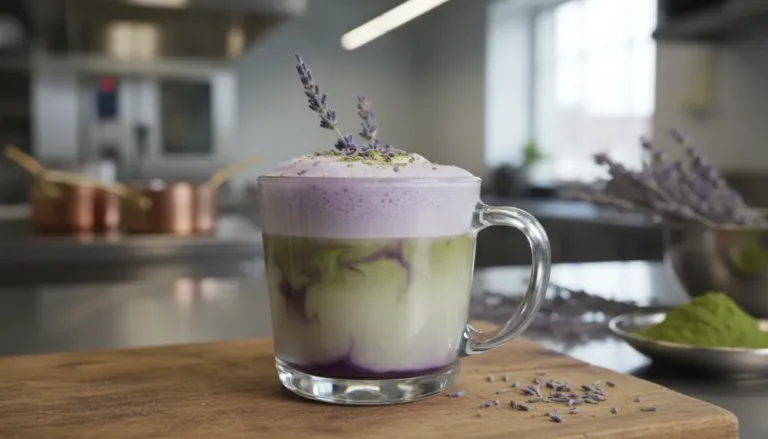
While the classic Oat Milk Matcha Latte is delicious on its own, professional baristas often incorporate sophisticated flavor profiles to elevate the experience. A popular variation is the Lavender-Oat Matcha, which utilizes a syrup made from dried lavender buds. The floral notes provide a beautiful contrast to the earthy tea. Another trend involves fruit layers, specifically a strawberry puree base. By placing a thick layer of fresh strawberry compote at the bottom of the glass, you create a visual and flavorful masterpiece. For the best fruit purees, use the Cuisinart 8 Cup Food Processor: https://amzn.to/47Nhbg8 to achieve a consistency that is thick enough to stay layered but smooth enough to drink through a straw. For a savory twist, some upscale cafes are now serving Miso-Caramel Matcha, where white miso is whisked into an alcohol-free caramel sauce to provide a deep, salty-sweet complexity that mirrors the natural umami of the tea leaves.
Nutritional Benefits of the Oat Milk Matcha Latte
Beyond its taste, the Oat Milk Matcha Latte is a nutritional powerhouse. Matcha is famous for its high concentration of EGCG (epigallocatechin gallate), a potent antioxidant that supports metabolic health. Unlike coffee, which can lead to a rapid spike and crash in energy, matcha contains L-theanine, an amino acid that promotes a state of calm focus. This synergistic relationship with caffeine provides a steady energy boost that lasts for several hours. Oat milk adds a layer of heart-healthy fiber and is often fortified with Vitamin B12 and Vitamin D. A standard 12 oz serving typically contains between 120 and 180 calories, making it a satisfying yet relatively light beverage option for any time of day. Because it is naturally plant-based, it is an inclusive choice for various dietary needs, provided you use alcohol-free flavorings and high-quality sweeteners like maple syrup or honey.
Storage and Preparation for Meal Prep
If you are a busy professional, you can meal prep components of your Oat Milk Matcha Latte to save time during the week. While whisked matcha is best consumed fresh, you can create a matcha concentrate that stays fresh in the refrigerator for up to 48 hours. Store this concentrate in an airtight container to prevent it from absorbing other food odors. When you are ready to drink, simply froth your oat milk and combine. The Rubbermaid Brilliance Glass Storage Set of 9: https://amzn.to/4oD0YkY is perfect for keeping these components organized and leak-free in your fridge. For those who enjoy an iced version, you can even freeze matcha into ice cubes to prevent your drink from becoming watered down as it sits. This attention to detail is what separates a homemade drink from a true barista-quality Oat Milk Matcha Latte.