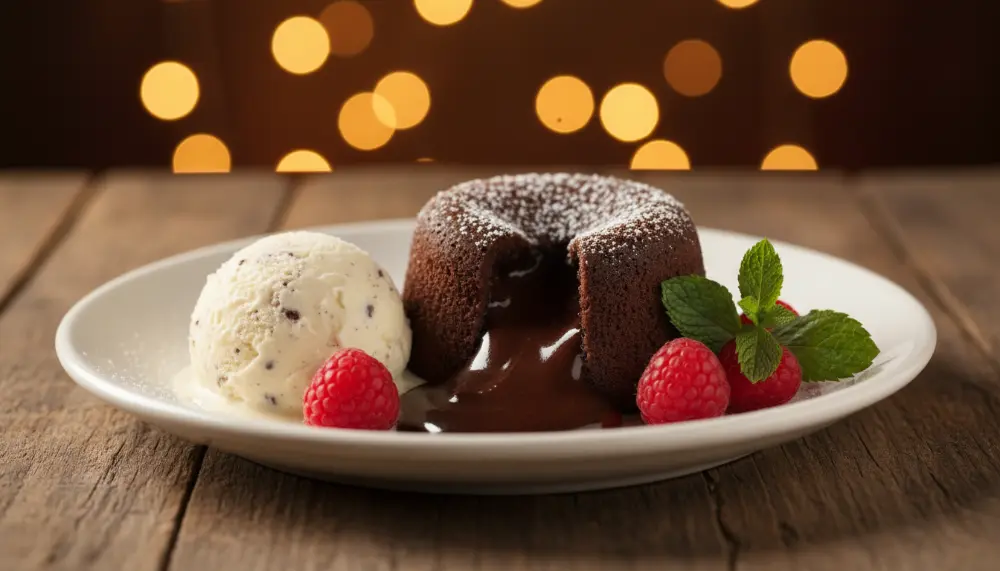
Mastering the Molten Lava Cake is a rite of passage for any serious home baker, representing the perfect harmony between a delicate sponge and a decadent, flowing heart. This guide explores the intricate techniques and rich history behind the world’s most beloved chocolate dessert.
Signature Molten Lava Cake
Ingredients
- 1 6 oz High-quality dark chocolate (70% cacao)
- 2 1/2 cup Unsalted butter
- 3 2 Large eggs plus 2 egg yolks
- 4 1/4 cup Granulated sugar
- 5 1/2 tsp Vanilla bean paste (alcohol-free)
- 6 2 tbsp All-purpose flour
- 7 Pinch of sea salt
Instructions
- 1 Preheat oven to 425°F (220°C). Grease four 6-ounce ramekins with butter and dust with cocoa powder.
- 2 Melt chocolate and butter together in a double boiler until smooth.
- 3 In a separate bowl, beat eggs, yolks, sugar, and salt until thick and pale.
- 4 Fold the chocolate mixture into the egg mixture. Sift in flour and vanilla bean paste; fold gently.
- 5 Divide batter among ramekins. Bake for 12 minutes until sides are firm but center is soft. Let stand 1 minute, then invert.
The Historical Journey of the Molten Lava Cake
The Molten Lava Cake is more than just a dessert; it is a culinary phenomenon that redefined the boundaries of pastry in the late 20th century. Its origin story is a fascinating blend of meticulous French engineering and happy American accidents. In 1981, Michel Bras debuted his “Coulant au Chocolat” at his Michelin-starred restaurant. His version was a technical marvel: a frozen chocolate ganache center inserted into a cake batter. This required the precision of a scientist, as the outer cake had to bake perfectly while the inner core remained a liquid stream. Every Molten Lava Cake served in high-end European establishments today owes a debt to Bras’s two-year quest for the perfect texture.
Conversely, the popularization of the Molten Lava Cake in the United States took a different path. In 1987, Jean-Georges Vongerichten accidentally underbaked a chocolate sponge cake. The result was a soft, gooey center that diners found irresistible. This “one-step” method, which relies on high heat to cook the exterior while leaving the interior raw but warm, became the standard for modern bistros. Whether you prefer the technical precision of Bras or the rustic charm of Vongerichten, the Molten Lava Cake remains the ultimate test of a chef’s timing and ingredient selection.
The Physics of the Flow
Achieving the perfect Molten Lava Cake requires an understanding of thermodynamics. Unlike a standard cake that relies on a full crumb structure, the lava cake uses a high fat-to-flour ratio. When heat is applied, the proteins in the eggs begin to coagulate, forming the outer walls. However, because the baking time is short and the temperature is high (often exceeding 400°F), the thermal energy does not reach the center fast enough to set the flour’s starch. This creates the signature liquid reservoir that we call “lava.” Using a Cosori 9-in-1 TurboBlaze Air Fryer 6 Qt can actually accelerate this process by using rapid air circulation to set the crust even faster than a traditional oven, ensuring the center stays perfectly runny.
Essential Ingredients for Decadence
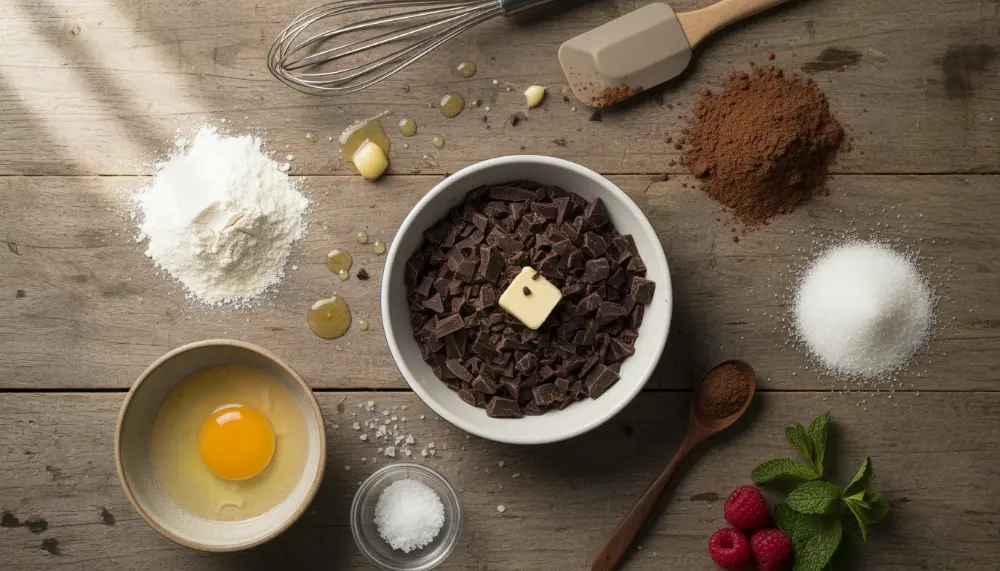
The foundation of any Molten Lava Cake is the quality of the chocolate. Professionals recommend a cacao percentage between 60% and 70%. If the cacao is too high, the cake becomes bitter; too low, and it becomes cloyingly sweet. Since this recipe strictly avoids alcohol, we use vanilla bean paste or fresh vanilla seeds instead of traditional extracts. This provides an intense, floral depth that complements the earthy notes of the cacao. Butter is the second most critical component. High-fat, European-style butter ensures that the Molten Lava Cake has a silky mouthfeel that lingers on the palate.
For those preparing bulk batches for dinner parties, using a Cuisinart 8 Cup Food Processor to quickly mix your dry ingredients or even finely chop the chocolate blocks can save significant time. Proper preparation ensures that the emulsion of fat and sugar is stable, which is necessary for the cake to hold its shape once inverted onto a plate. Any leftover batter can be stored in the Rubbermaid Brilliance Glass Storage Set of 9, which keeps the mixture airtight and ready for a fresh bake the following evening.
Professional Preparation Techniques
When you begin your Molten Lava Cake journey, the preparation of the ramekins is the step most likely to determine success or failure. Use a pastry brush to apply softened butter in upward strokes. This encourages the batter to rise vertically, resulting in a taller, more elegant Molten Lava Cake. Dusting with cocoa powder instead of flour is a professional secret; it prevents white streaks on the dark exterior of the cake. If you are looking to create a fruit-based accompaniment, such as a raspberry coulis or a thick strawberry reduction, the Ninja BN751 Professional Plus DUO Blender is ideal for creating a perfectly smooth sauce that provides the necessary acidity to cut through the richness of the chocolate.
Troubleshooting Your Bake
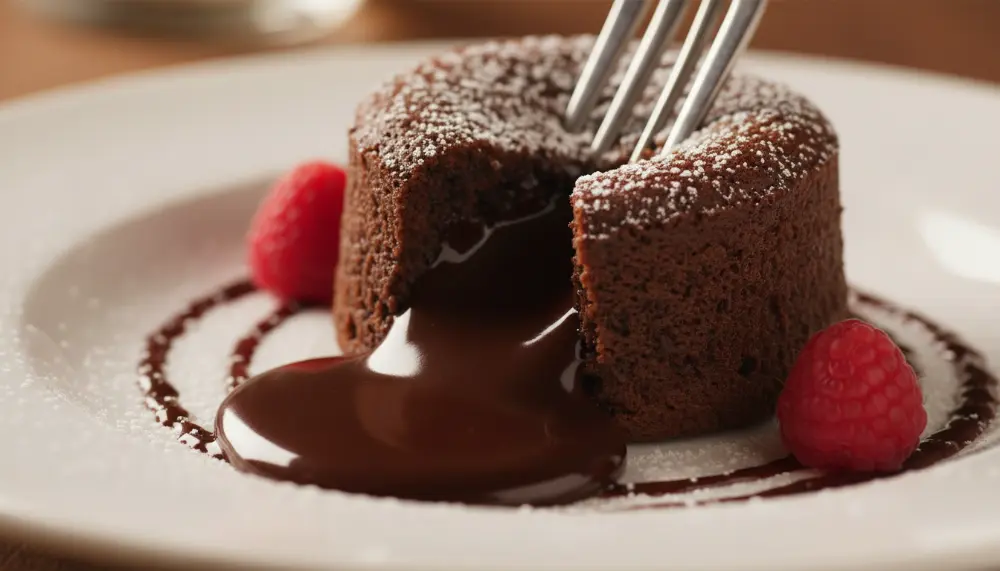
Common issues with the Molten Lava Cake usually involve timing. If the cake is too firm throughout, it was likely left in the oven for just 60 seconds too long. Conversely, if the walls collapse upon inverting, it needed more time to develop structural integrity. Every oven is different, so it is recommended to bake a single “test” Molten Lava Cake before committing the whole batch. This allows you to calibrate the exact minute your oven achieves the desired liquid center. Remember that the cake continues to cook for about 60-90 seconds after being removed from the heat, so pulling it out when the top still looks slightly underdone is the key to perfection.
Integrating this recipe into your regular rotation is easy when you have the right mindset. Whether you are following a chocolate-focused meal plan or looking for a standalone showstopper, this dessert never fails to impress. For more techniques, check out our guide on baking with high-fat cocoa or our article on mastering egg emulsions. The Molten Lava Cake is a testament to the fact that simplicity in ingredients, when combined with precision in technique, creates the most memorable culinary experiences.