The Lavender Matcha Latte is more than just a vibrant purple and green drink, it is a sophisticated fusion of ancient tea culture and modern botanical herbalism. This soothing beverage offers a unique sensory journey that balances earthy umami with delicate floral notes for the ultimate moment of calm.
Signature Lavender Matcha Latte
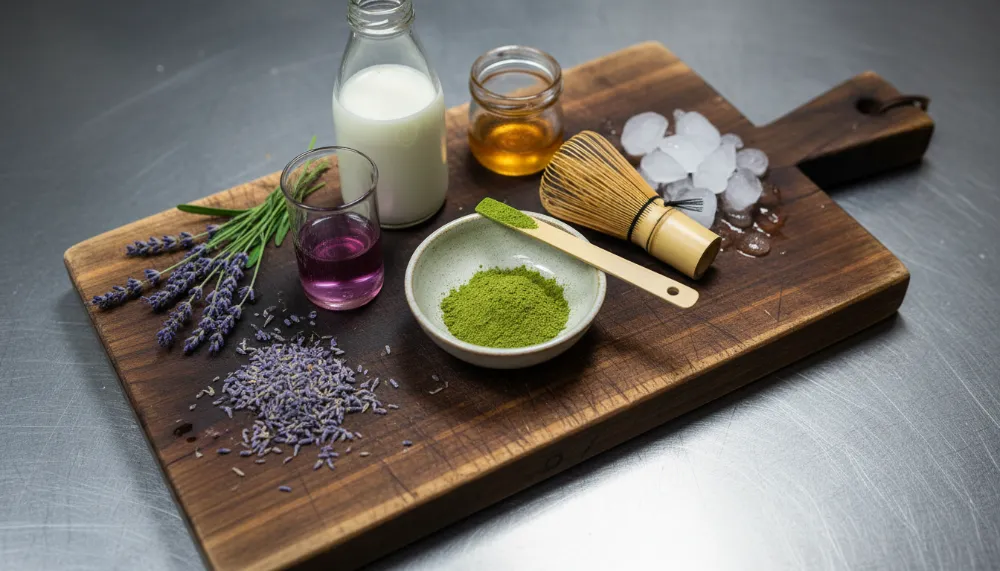
Ingredients
- 1 tsp Ceremonial Grade Matcha Powder
- 2 oz Hot Water (80°C / 176°F)
- 1 tbsp Culinary Lavender Syrup
- 8 oz Oat Milk or Almond Milk
- 1 pinch Smoked Sea Salt (Optional)
Instructions
- 1 Sift the matcha powder into a bowl to remove all clumps.
- 2 Add hot water and whisk in a ‘W’ motion until a thick froth forms.
- 3 Stir the lavender syrup into the bottom of your serving glass.
- 4 Froth your milk and pour it over the syrup, leaving space at the top.
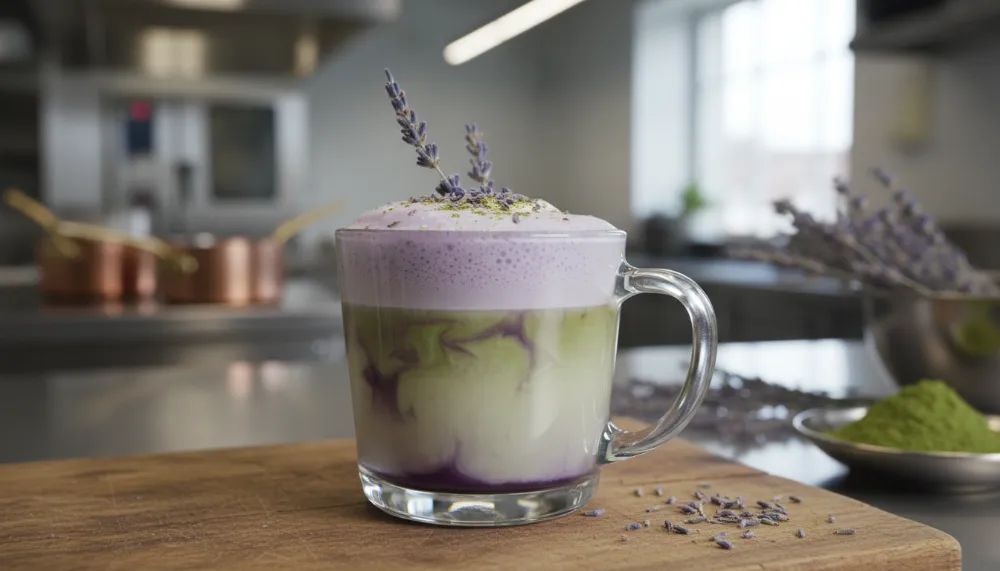
- 5 Slowly pour the whisked matcha over the milk to create a layered effect.
The Evolutionary Journey of the Lavender Matcha Latte
The Lavender Matcha Latte is a contemporary specialty beverage that fuses the ancient tea traditions of East Asia with the botanical herbalism of the Mediterranean. It has recently emerged as a cornerstone of the “botanical latte” movement in professional specialty coffee culture. This drink is more than just a trend, it represents a shift toward functional beverages that prioritize both mental clarity and sensory pleasure.
Historically, the components of this drink lived worlds apart. Matcha finds its roots in the Tang Dynasty of China, where tea was first pulverized into powder, before it was perfected in Japan. By the 12th century, Zen Buddhist monks adopted matcha as a tool for meditation, valuing its ability to provide a focused yet calm state of mind. Lavender, conversely, has a rich history in the Mediterranean, where it was prized by Ancient Greeks and Romans for its aromatic oils and perceived medicinal qualities. In the Victorian era, lavender became a staple in European tea rooms, often used to scent linens and flavor delicate pastries.
The fusion of these two ingredients into the Lavender Matcha Latte we know today is a product of the “third-wave” coffee movement. Specifically, this combination gained traction in artisan cafes across the American West Coast around 2015, where baristas sought to create drinks that were as visually stunning as they were flavorful. By layering the vivid green of high-quality matcha against the soft purples of lavender-infused milk, they created an aesthetic masterpiece that took social media by storm.
The Science of Flavor: Why Lavender and Matcha Work
To understand the appeal of the Lavender Matcha Latte, one must look at the chemical composition of its flavor profile. Matcha is characterized by its umami, a savory, grassy depth that comes from high concentrations of amino acids like L-theanine. This earthiness can sometimes lean toward bitterness if not prepared correctly. This is where lavender comes in.
Lavender contains the terpene linalool, which provides a sweet, floral, and slightly woody aroma. When paired with the grassy notes of matcha, lavender acts as a bridge, softening the tea’s intensity and highlighting its natural sweetness. The result is a balanced drink that engages multiple taste receptors at once. For an even more complex profile, many professionals use a Ninja BN751 Professional Plus DUO Blender to create ultra-smooth lavender infusions or to whip the matcha into a velvet-like consistency. (Why Perfect: 1000W motor, perfect for creating consistent botanical bases).
Nutritional Deep Dive
A standard 12 oz Lavender Matcha Latte is a powerhouse of nutrients. On average, it contains between 120 to 250 calories depending on your choice of sweetener and milk. The key nutritional components include:
- L-Theanine: This amino acid is the secret behind the “calm alertness” of matcha. It promotes relaxation without causing drowsiness, effectively balancing the caffeine hit.
- Antioxidants: Matcha is rich in EGCG (epigallocatechin gallate), a catechin that supports cellular health and metabolism.
- Terpenes: The aromatic compounds in lavender are known to help reduce stress and improve overall mood through olfactory stimulation.
Choosing the Right Ingredients for Success
The quality of your Lavender Matcha Latte depends entirely on the quality of your base ingredients. For the matcha, always look for “Ceremonial Grade.” This grade is made from the youngest tea leaves, resulting in a vibrant green color and a naturally sweet flavor. “Culinary Grade” matcha is better suited for baking, as it has a more astringent profile that can overwhelm a delicate latte.
When it comes to lavender, it is crucial to use “Culinary Lavender.” Many decorative lavenders are treated with chemicals or possess a soapy flavor that is unpalatable. Using a Cuisinart 8 Cup Food Processor is an excellent way to finely grind dried culinary lavender buds to create your own house-made lavender sugar or syrup. (Why Perfect: Fast chopping and slicing, essential for meal prep and botanical processing).
The Role of Milk Alternatives
The creamy base of a Lavender Matcha Latte significantly alters the final taste. Oat milk is the gold standard in the barista world for this drink, as its natural grain sweetness and thick texture mimic cow’s milk perfectly. Almond milk offers a lighter, nuttier finish that allows the lavender notes to shine more brightly. For those seeking a richer, more savory experience, pistachio milk is a fantastic alternative that complements the earthiness of the matcha.
Professional Variations: Elevate Your Drink
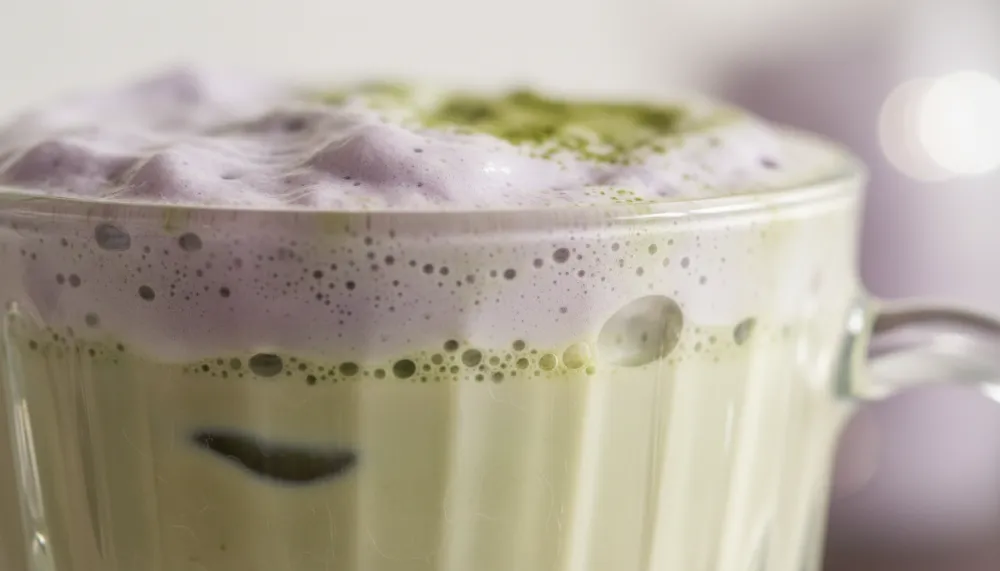
If you have mastered the basic recipe, it is time to experiment with professional barista variations. One popular trend is the “Cloud Style” Lavender Matcha Latte. This involves creating a lavender-infused cold foam by frothing heavy cream or a barista-blend milk with a touch of lavender extract until it reaches a meringue-like consistency. This foam is then dolloped on top of an iced matcha base, creating a beautiful layered contrast.
Another high-end variation involves the “Butterfly Pea Bloom.” By adding a small amount of butterfly pea flower tea to your lavender syrup, you can achieve a vivid, natural purple hue that stays distinct from the green tea. This creates a striking three-layer drink that is as much a work of art as it is a beverage. To keep your ingredients fresh while experimenting with these variations, the Rubbermaid Brilliance Glass Storage Set of 9 is indispensable. (Why Perfect: Perfect for meal prep storage, leak-proof, and stackable for organizing your botanical syrups).
The Importance of Temperature Control
One of the biggest mistakes home baristas make is using boiling water for their matcha. Boiling water scorches the delicate tea leaves, resulting in a bitter, unpleasant taste. The ideal temperature for a Lavender Matcha Latte is 80°C (176°F). This allows the tea to release its sweetness and umami without the harsh tannins. Similarly, when steaming your milk, aim for 65°C (150°F) to ensure the milk proteins don’t break down, which preserves the creamy mouthfeel.
Pairing Your Lavender Matcha Latte
What should you eat with this botanical masterpiece? Because the latte has both earthy and floral notes, it pairs beautifully with light, citrusy snacks. Think lemon shortbread cookies, almond flour muffins, or even a fresh fruit tart. For a savory pairing, try roasted chickpeas. You can easily prepare these using the Cosori 9-in-1 TurboBlaze Air Fryer 6 Qt. (Why Perfect: Roasts chickpeas and vegetables perfectly with a large family capacity). The crunch of the chickpeas provides a textural contrast to the silky latte.
For those who meal prep, keeping your lavender buds and matcha powder vacuum-sealed is the best way to preserve their volatile aromatic oils. The FoodSaver Vacuum Sealer Machine is perfect for this. (Why Perfect: Keeps ingredients fresh longer and prevents the floral scents from escaping). By maintaining the integrity of your ingredients, every Lavender Matcha Latte you make will taste as fresh as the first one.
The Zen of Preparation
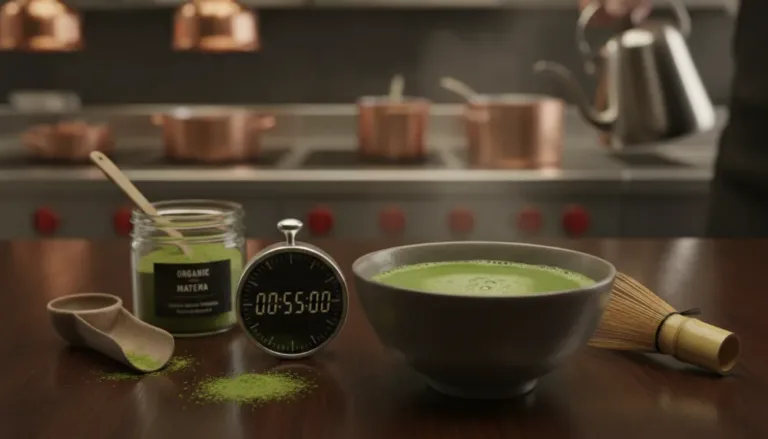
Preparing a Lavender Matcha Latte is a ritual. From the sifting of the powder to the rhythmic whisking with a bamboo chasen, every step is designed to ground the maker in the present moment. This mindfulness is a core part of why the drink has become so popular in a fast-paced world. It forces a five-minute pause in your day, allowing you to appreciate the colors, the steam, and the floral aroma before you even take your first sip. Whether you enjoy it as a morning ritual or a mid-afternoon reset, the Lavender Matcha Latte is a testament to the beauty of slow living and the power of botanical ingredients.