Master the art of the perfect Iced Matcha Latte with our comprehensive guide to this vibrant, antioxidant-rich beverage that balances ancient tradition with modern refreshment. It is the ultimate afternoon pick-me-up for anyone seeking sustained energy and a calm, focused mind.
Classic Iced Matcha Latte
INGREDIENTS
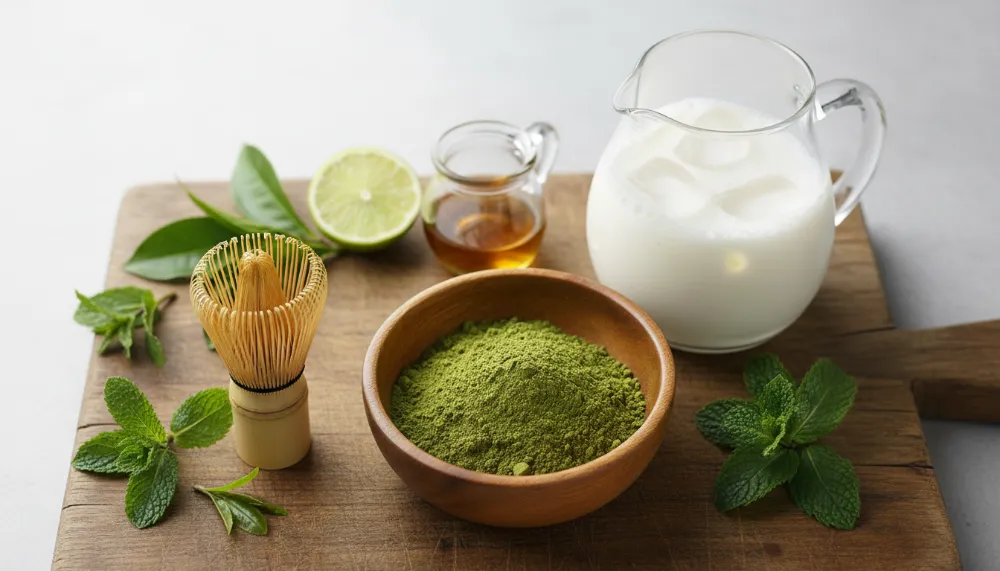
- 1.5 teaspoons ceremonial grade matcha powder
- 2 tablespoons hot water (not boiling, 175°F)
- 1 cup milk of choice (oat, soy, or dairy)
- 1-2 teaspoons honey or maple syrup
- 1 cup ice cubes
INSTRUCTIONS
- 1. Sift the matcha powder into a small bowl to remove any lumps.
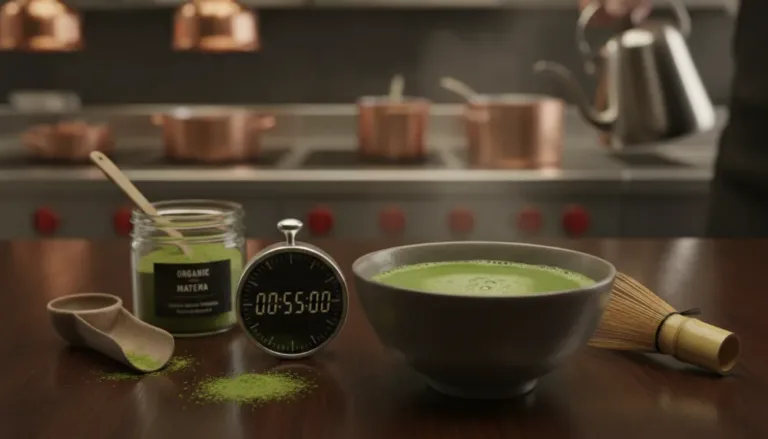
- 2. Add the hot water and whisk vigorously in a zig-zag motion until frothy and smooth.
- 3. Stir in your sweetener of choice until fully dissolved into the matcha concentrate.
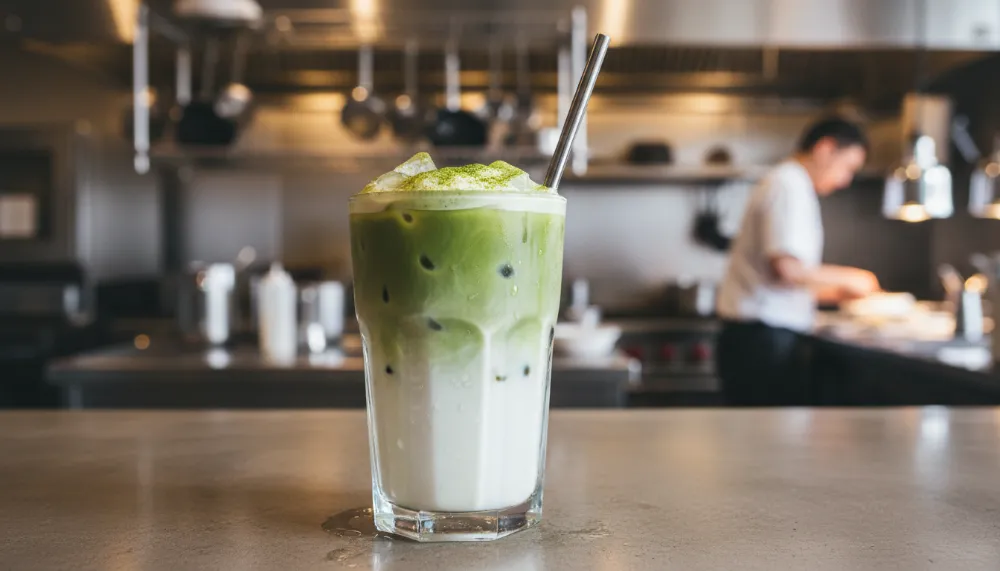
- 4. Fill a tall glass with ice and pour in the milk.
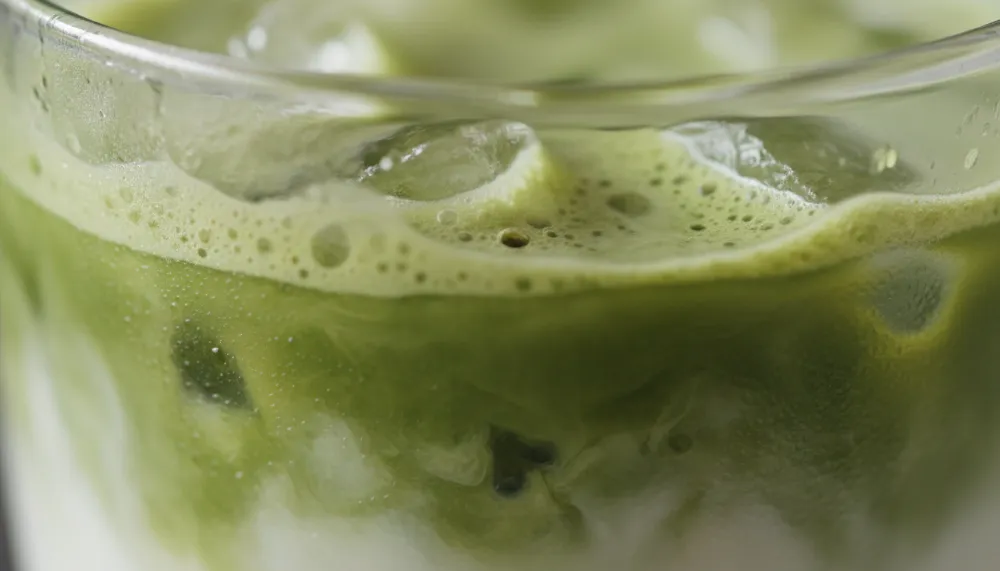
- 5. Slowly pour the matcha mixture over the milk for a beautiful layered effect, then stir and enjoy.
The Millennial History of Matcha: From Dynasties to Modern Cafes
The Iced Matcha Latte may feel like a product of the modern Instagram era, but its soul is over a thousand years old. The journey of matcha began in China during the Tang Dynasty, which spanned the 7th to 10th centuries. During this period, tea leaves were steamed and compressed into bricks for easy transport and preservation. When it was time to consume the tea, a piece was broken off, toasted, and ground into powder before being mixed with hot water and salt. By the Song Dynasty, the practice of stone-grinding leaves into a fine powder and whisking them into a frothy, vibrant beverage became the standard for the elite and the monastic. In 1191, the Zen monk Eisai brought these tea seeds and the powdered preparation method from China to Japan. He planted them at a temple in Kyoto and eventually authored the first Japanese book on tea, Kissa Yojoki, or the Book of Drinking Tea for Health. He famously proclaimed that tea is the ultimate mental and medical remedy and has the ability to make one’s life more full and complete. Over the subsequent centuries, Japanese tea masters like Murata Juko and Sen no Rikyu formalized the tea ceremony, or Chanoyu, elevating matcha to a spiritual and meditative art form. During this time, Japanese farmers perfected the shade-growing technique. By covering the tea plants with bamboo mats for several weeks before harvest, they forced the plants to produce more chlorophyll and amino acids, specifically L-theanine, which gives matcha its iconic neon-green color and savory umami flavor. The transition into the Iced Matcha Latte we know today is a relatively recent phenomenon. In the late 20th and early 21st centuries, global coffee chains began combining matcha with cold milk and sweeteners to appeal to a wider audience. The iced version specifically exploded in the 2010s, becoming a symbol of the wellness movement. Today, the Iced Matcha Latte is more than a drink, it is a bridge between a thousand years of ritual and the fast-paced modern world.
Nutritional Science: Why the Iced Matcha Latte is a Superfood Powerhouse
When you consume an Iced Matcha Latte, you aren’t just drinking tea, you are consuming the entire tea leaf. This fundamental difference between matcha and steeped green tea results in a significantly higher concentration of nutrients. Matcha is famous for its high levels of epigallocatechin gallate, or EGCG, a powerful catechin and antioxidant that has been linked to improved metabolic health and cellular protection. A standard serving of matcha can contain up to 137 times more EGCG than a cup of regular steeped green tea. Furthermore, the combination of caffeine and L-theanine in matcha creates what many call a Zen buzz. Unlike the sharp spike and subsequent crash associated with coffee, the L-theanine in matcha promotes a state of calm alertness. It slows the absorption of caffeine, providing a sustained energy boost that lasts four to six hours without the jitters. This makes the Iced Matcha Latte the perfect beverage for deep work or creative sessions. From a micronutrient perspective, matcha is a source of Vitamin K, Vitamin C, and B-complex vitamins, as well as minerals like selenium, magnesium, and zinc. The high chlorophyll content, resulting from the shade-growing process, also acts as a natural internal cleanser. When prepared with high-quality milk, the beverage provides a balanced profile of protein, healthy fats, and complex carbohydrates. For those watching their intake, using a Ninja BN751 Professional Plus DUO Blender (https://amzn.to/3LCDyNR) allows you to blend the matcha with ice and alternative milks to create a perfectly emulsified, creamy texture that mimics a milkshake without the excessive calories. To maintain the freshness of your matcha powder and preserve these delicate antioxidants, we recommend using a FoodSaver Vacuum Sealer Machine (https://amzn.to/4qWgVnS) to seal smaller portions of tea if you buy in bulk, preventing the oxidation that turns matcha yellow and bitter.
Mastering the Grades: Ceremonial vs. Culinary Matcha
Not all matcha is created equal, and choosing the right grade is essential for the perfect Iced Matcha Latte. Ceremonial grade matcha is the highest quality available. It is made from the youngest tea leaves, which are harvested during the first flush in the spring. These leaves are meticulously deveined and stone-ground into an extremely fine powder. Ceremonial matcha is characterized by a vibrant, electric green color and a naturally sweet, delicate flavor with no bitterness. This is the grade you should use for your lattes if you want that professional, high-end cafe taste. Culinary grade matcha, on the other hand, is made from older leaves harvested later in the season. It has a slightly duller, brownish-green hue and a much more robust, astringent, and bitter flavor profile. While culinary matcha is excellent for baking cookies or making matcha-infused sauces in a Cuisinart 8 Cup Food Processor (https://amzn.to/47Nhbg8), it can be overwhelming in a latte unless heavily sweetened. When selecting your matcha, look for the origin, ideally from Uji or Nishio in Japan. The finer the powder, the better it will dissolve. If your matcha feels gritty between your fingers, it was likely ground too quickly with industrial heat, which damages the flavor profile. For the best storage of your prepared matcha concentrates or syrups, the Rubbermaid Brilliance Glass Storage Set (https://amzn.to/4oD0YkY) is ideal because the glass is non-reactive and the airtight seal prevents the tea from absorbing other odors in your refrigerator.
Pro Tips for a Lump-Free, Silky Smooth Latte
The most common complaint when making an Iced Matcha Latte at home is the presence of small, bitter clumps of powder at the bottom of the glass. Because matcha is a suspension and not a soluble powder, it requires specific techniques to achieve a smooth consistency. First, always sift your matcha. Even the highest ceremonial grades will clump due to static electricity. Use a fine-mesh strainer to sift the powder directly into your whisking bowl. Second, the temperature of your water is critical. Never use boiling water, as it will scorch the delicate tea leaves and release an unpleasant bitterness. Aim for approximately 175 degrees Fahrenheit. Third, use the right tools. While a traditional bamboo whisk, or chasen, is the gold standard for creating micro-foam, a handheld electric frother is a great modern alternative for those on the go. If you are making a large batch of iced matcha for a party, using the Ninja BN751 Professional Plus DUO Blender (https://amzn.to/3LCDyNR) ensures that every particle is perfectly integrated into the milk. Another pro tip is to create a matcha slurry first. Mix the powder with just a tiny bit of water to form a thick paste before adding the rest of the liquid. This mechanical action breaks down any remaining clumps. Finally, always add your sweetener to the warm matcha concentrate before adding the ice. Honey and maple syrup dissolve much more easily in warm liquids than in cold milk.
Professional Variations: Elevate Your Matcha Experience
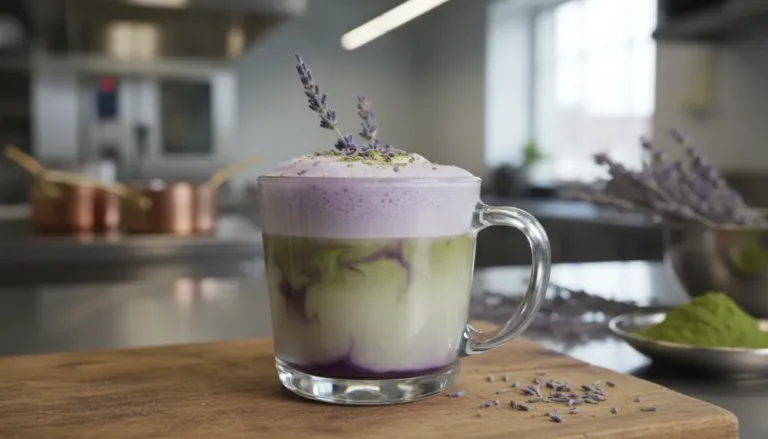
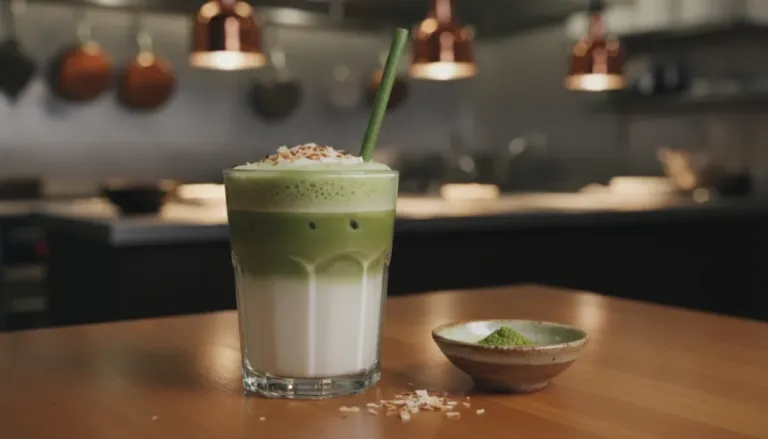
Once you have mastered the classic Iced Matcha Latte, you can begin to experiment with professional-level variations. One of the most popular trends is the Strawberry Matcha Latte. To make this, create a fresh strawberry compote by mashing berries with a little sugar, place it at the bottom of the glass, add ice and milk, and then pour the matcha on top for a stunning green-and-pink layered look. Another sophisticated variation is the Lavender Matcha. Steep culinary-grade lavender in your milk overnight or use a splash of lavender syrup to add a floral, calming dimension to the drink. For a tropical twist, try the Mango Matcha Latte, using thick mango puree as the base. If you need an extra caffeine kick, the Dirty Matcha, which includes a single shot of espresso poured over the iced latte, offers a complex, earthy flavor that is surprisingly balanced. To pair with these drinks, consider making a healthy snack like roasted chickpeas. Using the Cosori 9-in-1 TurboBlaze Air Fryer (https://amzn.to/4hRWmVq), you can roast chickpeas with a little sea salt and lime in minutes. The crunch of the chickpeas provides a perfect textural contrast to the creamy, smooth latte. For those who prefer a savory accent, a pinch of sea salt and a splash of coconut milk can transform a standard latte into a salted coconut matcha that tastes like a vacation in a glass.
Storage and Preparation for Busy Lifestyles
For those who love an Iced Matcha Latte but don’t have time for the ritual every morning, meal prepping is the answer. You can prepare a matcha concentrate by whisking a larger amount of powder with water and storing it in your Rubbermaid Brilliance Glass Storage Set (https://amzn.to/4oD0YkY) for up to three days. When you are ready for a drink, simply pour some concentrate over ice and milk. You can also freeze matcha into ice cubes. This ensures that as your drink melts, it doesn’t become watered down, but rather maintains its intense green tea flavor. If you find yourself with extra matcha powder that you aren’t using quickly, remember that matcha is highly sensitive to light, heat, and oxygen. Use the FoodSaver Vacuum Sealer Machine (https://amzn.to/4qWgVnS) to keep your bulk bags fresh in the freezer. When you are ready to use the frozen powder, let it come to room temperature before opening to prevent condensation from forming inside the bag, which would ruin the texture of the tea. With these tips and the right equipment, you can enjoy a world-class Iced Matcha Latte every single day.