Experience the vibrant energy of ceremonial-grade green tea in a fraction of the time with this easy 5-Minute Matcha. This recipe bridges the gap between ancient tradition and your busy modern lifestyle, ensuring you get your caffeine fix without the dreaded jitters or mid-day crash.
5-Minute Matcha Latte
Ingredients
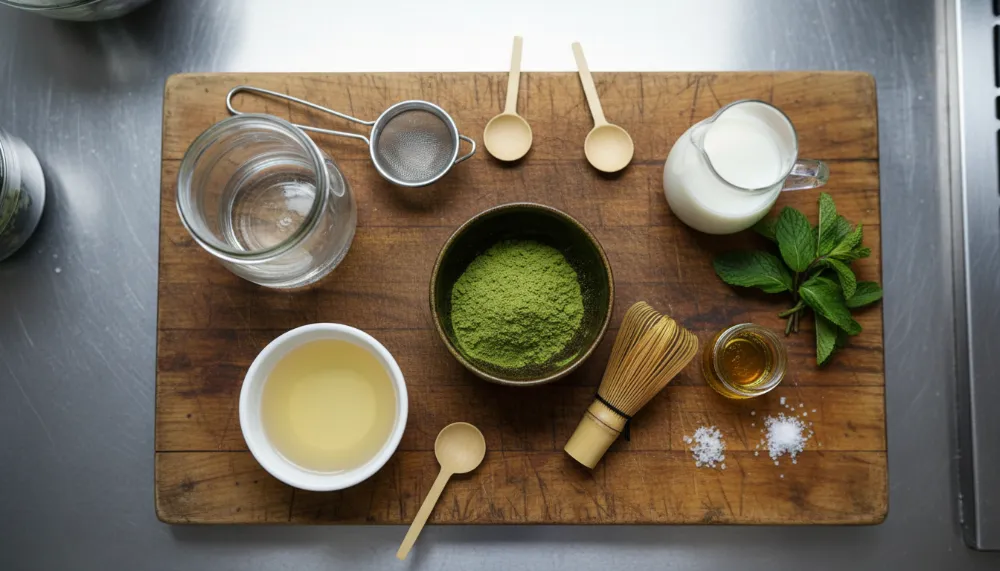
- 1 1.5 teaspoons Ceremonial Grade Matcha Powder
- 2 2 ounces Hot Water (175°F)
- 3 8 ounces Oat Milk or Almond Milk
- 4 1 teaspoon Pure Maple Syrup
- 5 1/4 teaspoon Pure Vanilla Extract
Instructions
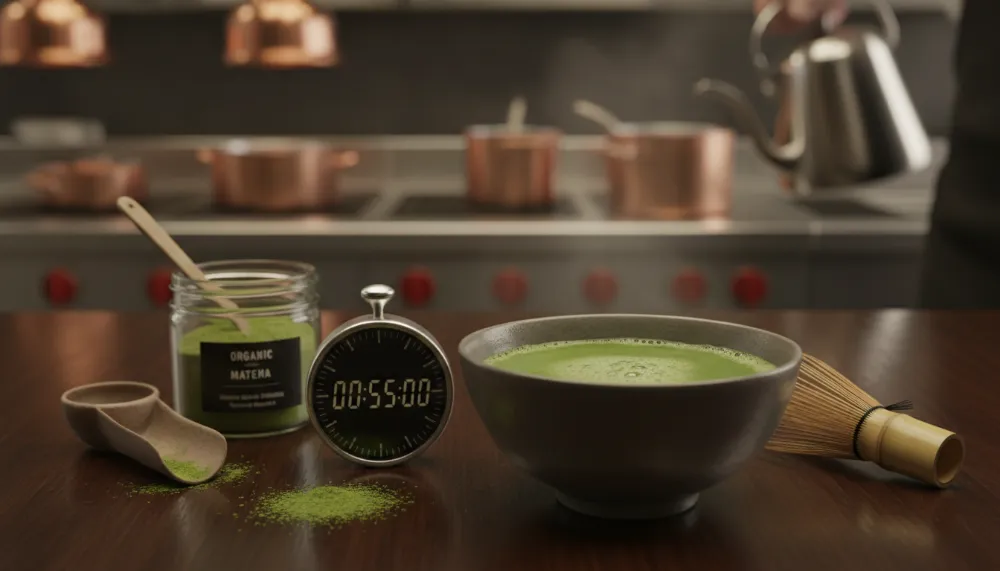
- 1 Sift the matcha powder through a fine-mesh strainer into a small bowl to ensure a smooth, clump-free texture.
- 2 Add the 175°F water, use water that is just below boiling to avoid scorching the delicate tea leaves.
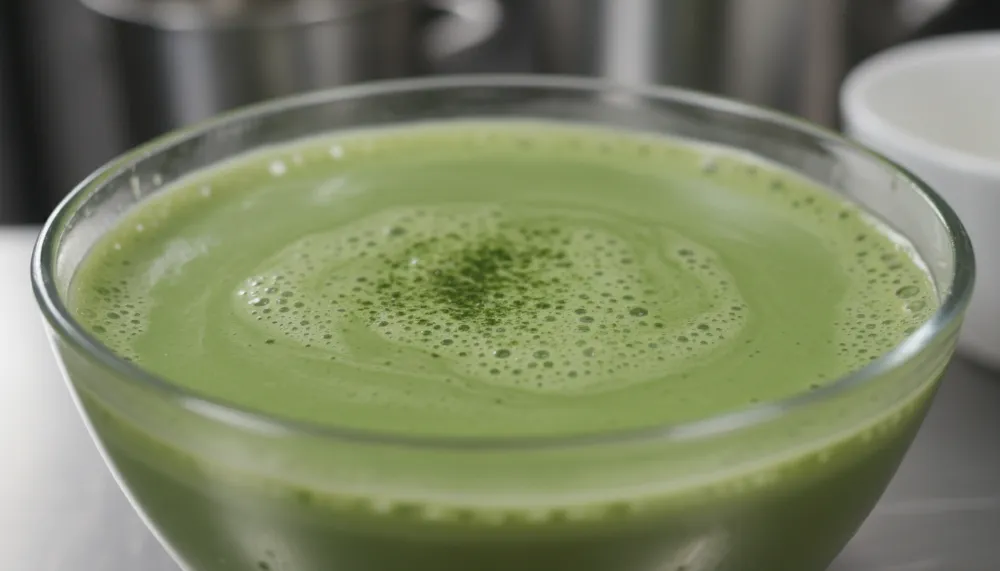
- 3 Whisk vigorously with a bamboo whisk or electric frother for 30 seconds until a thick, vibrant green foam appears.
- 4 Stir in the maple syrup and vanilla extract to create a balanced flavor profile.
- 5 Heat and froth your milk of choice, then pour it gently over the concentrated matcha base.
The Historical Journey of 5-Minute Matcha
The history of matcha is a thousand-year-old narrative that begins in East Asia. During the Tang Dynasty in China, tea leaves were steamed and compressed into bricks for efficient storage and transport. It was during the Song Dynasty that the practice of roasting, pulverizing the leaves into a fine powder, and whisking them with hot water became the standard of refinement. This early 5-minute matcha precursor was the height of culinary and spiritual sophistication.
In 1191, the Zen Buddhist monk Eisai brought tea seeds and this powdered preparation method to Japan. While the practice eventually declined in China, Japanese tea masters and monks meticulously refined the process. They introduced the revolutionary shading technique, known as Tencha, which involves covering the tea plants three weeks before harvest. This process forces the plants to produce excessive amounts of chlorophyll and amino acids, specifically L-theanine, resulting in the brilliant green hue and deep umami flavor we celebrate today.
The Nutritional Science Behind the Superfood
When you consume 5-minute matcha, you are not just drinking an infusion, you are ingesting the entire tea leaf. This fundamental difference makes matcha a nutritional powerhouse compared to traditional steeped green tea. A single gram of high-quality powder contains a significant concentration of EGCG (epigallocatechin gallate), a potent antioxidant known for its ability to support cellular health and boost metabolic function. Scientific studies suggest that matcha contains up to 137 times more EGCG than standard green tea bags.
The most unique aspect of 5-minute matcha is the synergy between caffeine and L-theanine. This amino acid is a natural relaxant that crosses the blood-brain barrier to increase alpha wave activity in the brain. The result is what baristas call “calm alertness,” a steady stream of energy that lasts for four to six hours without the sharp spikes and crashes associated with coffee. Additionally, matcha provides essential vitamins like Vitamin A, Vitamin C, and Vitamin K, alongside minerals like potassium and magnesium, and approximately 0.4 grams of dietary fiber per serving.
Professional Flavor Variations for the Modern Palate
The earthy, slightly bitter, and deeply umami profile of matcha makes it an incredibly versatile ingredient for professional-grade creations. By understanding the chemistry of these flavors, you can elevate your 5-minute matcha into a gourmet experience. All these variations are designed with strict dietary standards in mind, using only the finest non-alcoholic and plant-based or protein-rich additions.
The Botanical and Citrus Series
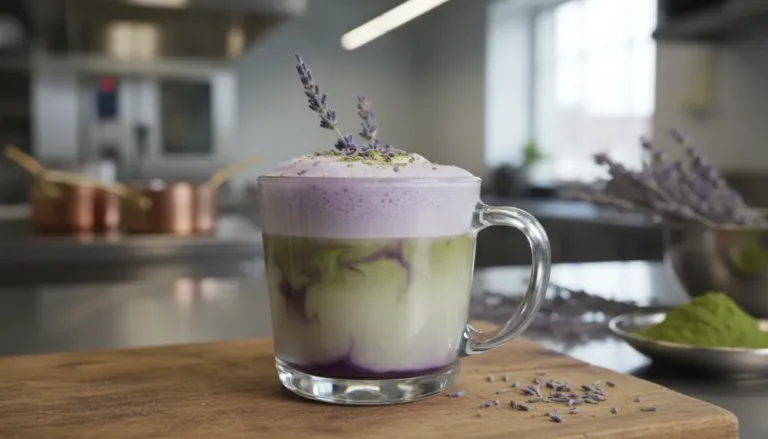
For a refreshing twist, the Yuzu and Mint Matcha is a professional favorite. The bright, sharp acidity of Japanese yuzu juice cuts through the dense earthiness of the tea, while fresh mint leaves provide a cooling finish. Another exceptional choice is the Matcha Ginger Fizz. By mixing concentrated matcha with fresh ginger juice and sparkling water, you create a spicy, warming beverage that serves as a sophisticated alternative to sugary sodas.
The Creamy and Nutty Series
If you prefer an indulgent profile, the Tahini and Honey Matcha Latte is a revelation. The savory, nutty lipids in the sesame paste (tahini) complement the umami notes of the tea, creating a thick, velvety mouthfeel. To achieve this perfectly, using a high-quality tool like the Cuisinart 8 Cup Food Processor is essential for ensuring the tahini is smooth and fully integrated into the syrup base before whisking.
Savory and Culinary Applications
Matcha is not limited to beverages. In professional kitchens, it is used as a sophisticated seasoning for high-quality proteins. Matcha-Crusted Beef Medallions use a dry rub of fine matcha, sea salt, and cracked black pepper. When seared, the matcha creates a unique crust that enhances the natural richness of the beef. Similarly, Matcha Ginger Chicken Skewers benefit from a marinade of matcha powder, ginger, and soy sauce. The tea acts as a gentle tenderizer while providing a vibrant color and deep vegetal undertone to the chicken.
Essential Tools for the Perfect 5-Minute Matcha
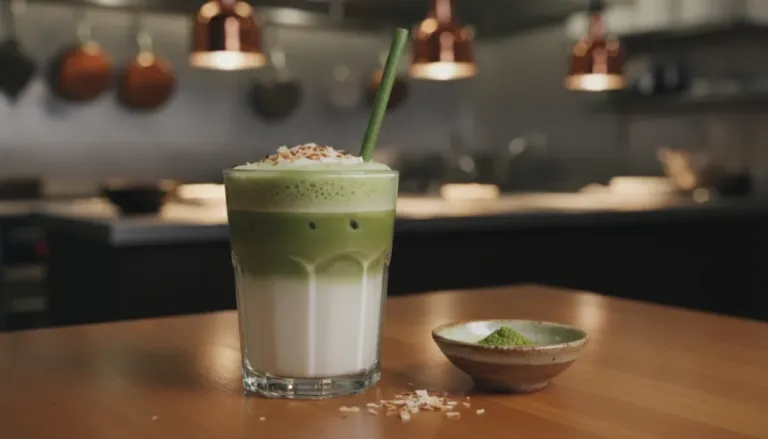
To achieve professional results at home, you need the right equipment. The Ninja BN751 Professional Plus DUO Blender is perfect for creating frothy, blended matcha drinks like the Coconut and Mango Matcha, where its 1000W motor emulsifies fruit and tea into a cloud-like consistency. For those who enjoy matcha-inspired snacks, the Cosori 9-in-1 TurboBlaze Air Fryer 6 Qt is excellent for roasting matcha-dusted chickpeas or vegetables to crispy perfection.
Preservation is equally important. Matcha is highly sensitive to light and air, which can cause it to oxidize and turn a dull brown color. Utilizing the Rubbermaid Brilliance Glass Storage Set ensures your powder stays in an airtight, dark environment. For bulk purchases, the FoodSaver Vacuum Sealer Machine is a professional secret for keeping ceremonial grade powder fresh for months longer than standard packaging allows.
The Art of the 5-Minute Preparation
The true beauty of 5-minute matcha lies in its efficiency. While the traditional tea ceremony is a beautiful meditative practice, it is not always feasible on a Tuesday morning. Modern technology, such as handheld electric frothers, allows you to achieve the necessary emulsification of the powder and water in seconds. The key is the water temperature. Never use boiling water, as it will burn the delicate leaves and create an overly bitter taste. Aim for 175°F to unlock the natural sweetness of the L-theanine.
When selecting your tea, always look for ceremonial grade for drinking and culinary grade for baking or cooking. Ceremonial grade is made from the youngest tea leaves, harvested in the first flush, resulting in a smoother, sweeter taste. Culinary grade is harvested later in the season and has a bolder, more astringent flavor that holds up well against other strong ingredients like beef or ginger.
Conclusion
Whether you are whisking up a classic latte or experimenting with a matcha-crusted chicken, the 5-minute matcha approach ensures you never have to sacrifice quality for speed. By understanding the historical roots, the nutritional complexity, and the professional applications of this incredible green tea, you can transform a simple morning routine into a high-performance ritual. Start your journey today and feel the difference that true, high-quality matcha can make in your life.