Experience the ultimate fusion of Zen-like calm and tropical indulgence with this silky Coconut Matcha Latte. It is the perfect clean-label pick-me-up for anyone seeking sustained energy without the midday crash.
Creamy Coconut Matcha Latte
Ingredients
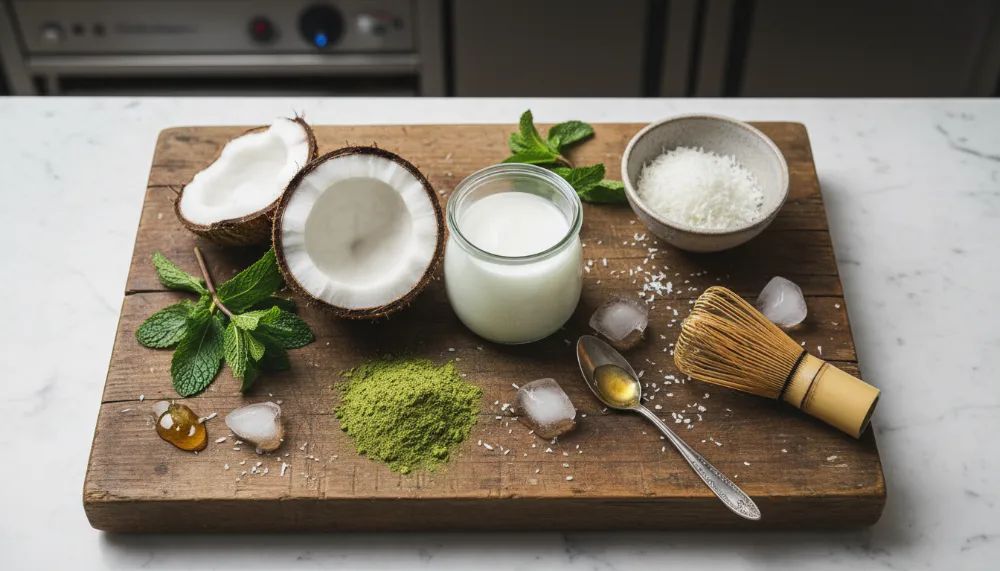
- 1 1.5 teaspoons high-quality ceremonial grade matcha powder
- 2 2 ounces hot water (approximately 175°F/80°C)
- 3 8 ounces unsweetened creamy coconut milk
- 4 1-2 teaspoons maple syrup or honey (optional)
- 5 1/4 teaspoon vanilla bean paste
- 6 A pinch of sea salt to enhance flavor
Instructions
- 1 Sift the matcha powder into a small bowl or cup to remove all lumps.
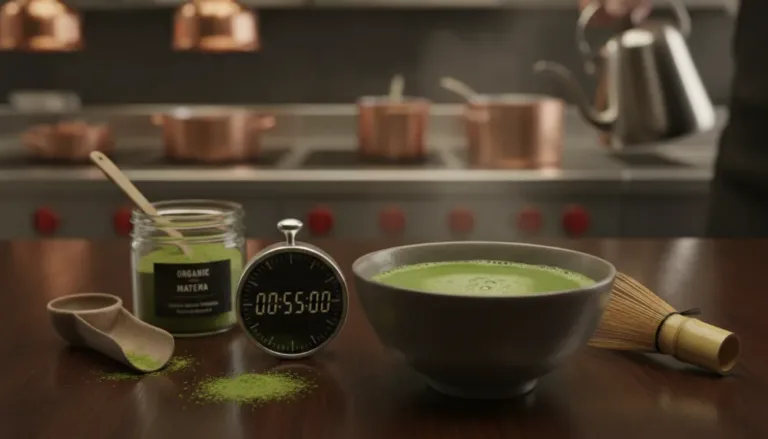
- 2 Add the hot water and whisk vigorously in a ‘W’ or ‘M’ motion until a thick, frothy foam forms on the surface.
- 3 In a separate small saucepan or milk frother, heat the coconut milk with vanilla and sweetener until steaming but not boiling.
- 4 Pour the frothed coconut milk over the whisked matcha and enjoy immediately.
The Rich History and Cultural Heritage of Matcha
While the Coconut Matcha Latte is a contemporary darling of modern cafes, its roots stretch back over a thousand years to the Tang Dynasty in China. During this era, tea leaves were steamed and compressed into bricks for preservation and transport. It was during the subsequent Song Dynasty that the method of whisking powdered tea in a wide bowl became the standard of elegance. This practice was eventually carried to Japan in the 12th century by the Zen Buddhist monk Eisai, who recognized the tea’s ability to aid in meditation by providing a focused, calm state of mind.
In Japan, matcha evolved from a medicinal drink to a cornerstone of the Japanese Tea Ceremony, known as Chanoyu. For centuries, the cultivation of matcha was a closely guarded art, involving the shading of tea plants weeks before harvest to increase chlorophyll and amino acid levels. It is this historical meticulousness that gives modern matcha its vibrant green hue and complex umami profile. When we pair this ancient tradition with the tropical sweetness of coconut, we are bridging centuries of culinary evolution into a single, balanced cup.
The Science of Sips: Why Coconut and Matcha are a Bio-Hacker’s Dream
The combination of coconut milk and matcha is not just about flavor, it is about functional chemistry. Matcha is famous for its high concentration of L-theanine, an amino acid that stimulates alpha brain waves, inducing a state of relaxation without drowsiness. When paired with the natural caffeine found in the tea leaves, L-theanine prevents the jittery spikes and subsequent crashes associated with coffee. This creates a “sustained release” energy profile that can last for four to six hours.
Adding coconut milk to the equation introduces Medium-Chain Triglycerides (MCTs). Unlike other fats, MCTs are processed directly by the liver and converted into immediate energy for the brain and body. This fat content also serves a secondary purpose: many of the powerful antioxidants in matcha, such as EGCG (epigallocatechin gallate), are fat-soluble. By consuming your matcha with the healthy fats found in coconut, you are potentially increasing the bioavailability of these health-promoting compounds. This synergy makes the Coconut Matcha Latte an excellent choice for a pre-workout drink or a deep-work companion.
Unlocking Antioxidant Power
Research indicates that matcha contains up to 137 times more antioxidants than standard steeped green tea. This is because when you drink matcha, you are consuming the entire leaf, not just an infusion. These antioxidants, specifically catechins, have been studied for their ability to support metabolic health and provide cellular protection against oxidative stress. For those monitoring their health, this drink offers a nutrient density that few other lattes can match.
Professional Grade Ingredients for the Best Results
To achieve that cafe-quality Coconut Matcha Latte at home, the quality of your ingredients is non-negotiable. You cannot use culinary grade matcha for a latte and expect the same sweetness and vibrant color as ceremonial grade. Ceremonial grade is made from the youngest tea leaves, which are stone-ground into a powder that is fine as silk. Culinary grade, while excellent for baking, often has a more brownish tint and a sharper, more astringent flavor that can overwhelm the delicate coconut milk.
When selecting your coconut milk, look for brands that have a high percentage of coconut extract and minimal gums or thickeners. A “creamy” or “barista blend” coconut milk will froth much better than the thin, refrigerated cartons meant for cereal. To store your ingredients and keep them fresh, we recommend using high-quality containers like the Rubbermaid Brilliance Glass Storage Set of 9: https://amzn.to/4oD0YkY, which is perfect for keeping your matcha powder away from light and oxygen.
Advanced Techniques: The Art of the Whisk
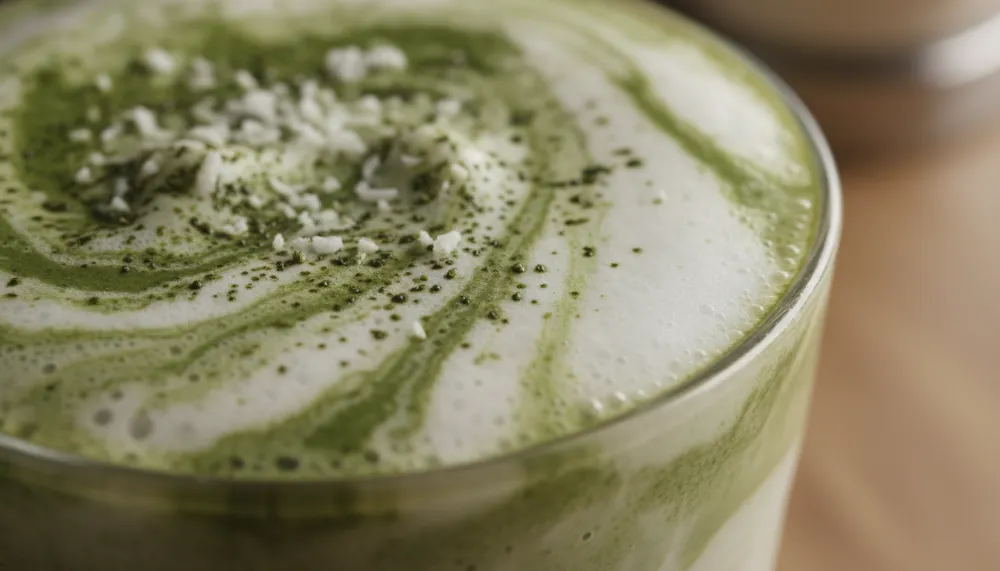
Many beginners make the mistake of using boiling water, which scalds the delicate matcha powder and results in a bitter, unpleasant taste. The ideal temperature is around 175°F. If you do not have a temperature-controlled kettle, simply let your boiling water sit for two minutes before pouring it onto the powder. The whisking technique is equally important. Using a traditional bamboo whisk (chasen) allows you to aerate the tea properly, creating a micro-foam that gives the latte a velvety mouthfeel.
If you are in a hurry, a high-powered blender can do the work for you. Using the Ninja BN751 Professional Plus DUO Blender: https://amzn.to/3LCDyNR is an excellent way to ensure your matcha is perfectly emulsified with the coconut milk, resulting in a consistent texture without any clumping. This blender’s motor is strong enough to handle large batches if you are serving guests or meal prepping for the week.
Elevated Variations for the Adventurous Palate
Once you have mastered the basic Coconut Matcha Latte, you can begin to experiment with professional-level flavor profiles. Here are a few variations frequently found in high-end botanical cafes:
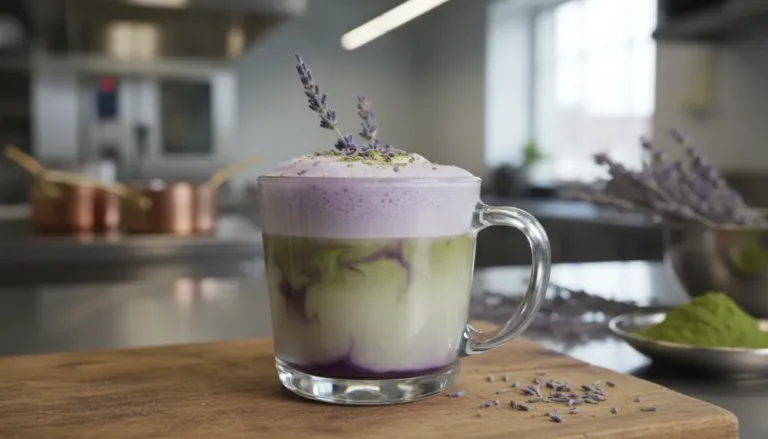
- Iced Lavender Coconut Matcha: Add a teaspoon of lavender-infused syrup to the bottom of your glass. Fill with ice, pour over the cold coconut milk, and top with the matcha shot for a beautiful layered look.
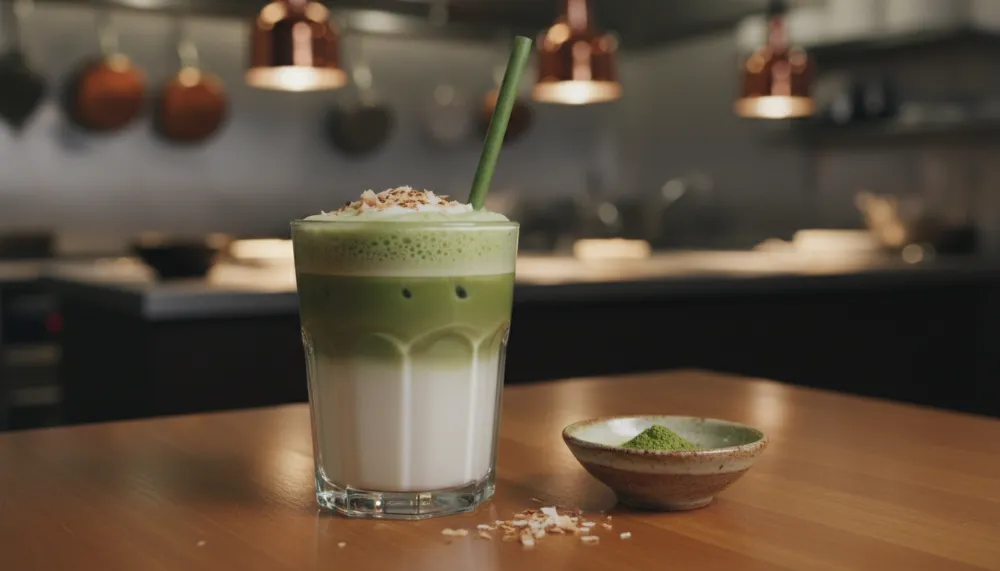
- Toasted Coconut & Vanilla: Use the Cosori 9-in-1 TurboBlaze Air Fryer 6 Qt: https://amzn.to/4hRWmVq to lightly toast unsweetened coconut flakes for 2 minutes. Garnish your latte with these flakes for a nutty aroma and added texture.
- Ginger & Honey Fusion: Grate fresh ginger using the Cuisinart 8 Cup Food Processor: https://amzn.to/47Nhbg8 and squeeze the juice into your milk before frothing. The spicy zing of ginger pairs beautifully with the earthy tea.
- Blue Tropical Layered Latte: Mix a pinch of blue spirulina into your coconut milk before frothing to create a vibrant teal base, then layer the green matcha on top.
Long-Term Storage and Freshness
Matcha is a highly sensitive product. It is susceptible to heat, light, and oxygen, all of which cause the chlorophyll to break down and the flavor to turn stale. To preserve the life of your matcha, it is best to keep it in its original tin or a vacuum-sealed container. The FoodSaver Vacuum Sealer Machine: https://amzn.to/4qWgVnS can be used to seal larger quantities of matcha or coconut flakes to ensure they remain as fresh as the day you bought them.
Summary of Benefits and Final Thoughts
The Coconut Matcha Latte is more than just a trend, it is a thoughtful approach to daily energy. By combining the ancient wisdom of Japanese tea culture with the modern understanding of healthy fats and metabolic fuel, we create a beverage that supports both the mind and the body. Whether you enjoy it as a hot, comforting morning ritual or a refreshing iced afternoon treat, this latte provides a clean, sustained boost that coffee simply cannot match. Focus on the quality of your matcha, the temperature of your water, and the creaminess of your coconut milk, and you will find yourself looking forward to this vibrant green cup every single day.