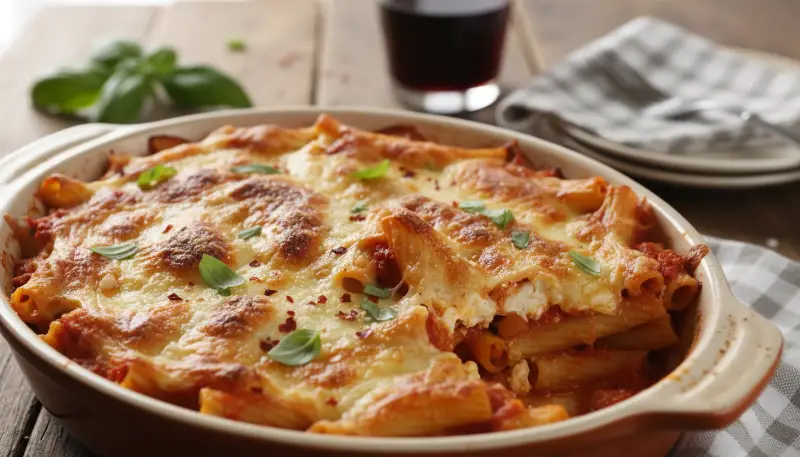
Baked Ziti is the quintessential Italian-American comfort food that brings families together around the dinner table with its layers of pasta and melted cheese. This specific version focuses on a hearty beef foundation and a rich, alcohol-free sauce that ensures every bite is packed with savory depth.
Beef and Three-Cheese Baked Ziti
15 MIN
45 MIN
8 PERS
Ingredients
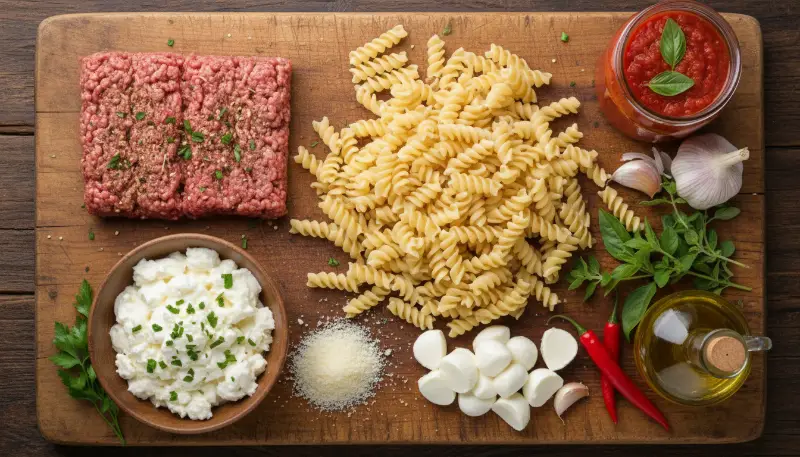
- 1 1 pound Ziti pasta
- 2 1.5 pounds lean ground beef
- 3 1/2 cup beef broth
- 4 48 ounces marinara sauce
- 5 15 ounces ricotta cheese
- 6 1 large egg
- 7 2 cups shredded mozzarella
- 8 1 cup grated parmesan
- 9 1 tablespoon fennel seeds
- 10 3 cloves garlic minced
Instructions
- 1 Boil ziti in salted water until two minutes before al dente then drain
- 2 Brown ground beef with garlic and fennel seeds in a large skillet
- 3 Deglaze the pan with beef broth and stir in the marinara sauce to simmer
- 4 In a bowl mix ricotta egg and half the parmesan cheese
- 5 Layer half the pasta meat sauce and ricotta mixture in a baking dish
- 6 Repeat layers and top with mozzarella and remaining parmesan
- 7 Bake at 375 degrees Fahrenheit for 30 minutes until bubbling
The Cultural History and Evolution of Baked Ziti
To understand the perfection of a well-made Baked Ziti, one must look back at the traditions of Southern Italy, particularly the regions of Campania and Sicily. Originally known as “Ziti al Forno,” this dish was traditionally reserved for weddings and holiday feasts. The word “ziti” actually translates to “brides” or “grooms,” signifying its role as a celebratory meal. When Italian immigrants arrived in the United States, they brought these traditions with them, adapting the recipe to include more meat and varied cheeses, eventually creating the beloved Baked Ziti we recognize today.
Unlike lasagna, which requires meticulous layering of flat sheets of pasta, Baked Ziti offers a more rustic and approachable texture. The hollow tubes of the ziti pasta act as little vessels, capturing the rich meat sauce and pockets of creamy ricotta. This structural design is what makes Baked Ziti a favorite for large gatherings, it is hearty, easy to serve, and incredibly satisfying. For those looking to master this dish, understanding the balance between the acidity of the tomatoes and the creaminess of the cheese is paramount.
Selecting the Best Beef for Your Baked Ziti
While many traditional recipes might utilize a mix of meats, our commitment to a no-pork version means selecting high-quality ground beef is the most important step. When shopping for your Baked Ziti, look for a 85/15 lean-to-fat ratio. This provides enough fat to carry the flavor of the garlic and fennel without making the final dish overly greasy. If you are preparing large quantities of meat, using a FoodSaver Vacuum Sealer Machine can help keep your beef fresh in the freezer until you are ready to cook.
To replicate the complex spice profile often found in Italian sausages, we use crushed fennel seeds and red pepper flakes. This technique allows the beef to take on a sophisticated, herbal note that defines the flavor profile of a classic Baked Ziti. When browning the beef, ensure you achieve a deep sear, those browned bits on the bottom of the pan, known as fond, are concentrated flavor gold that will eventually be incorporated back into the sauce.
The Art of the Alcohol-Free Sauce
Many chefs insist on deglazing their pasta sauce with wine, however, you can achieve an even deeper, more savory result using high-quality beef broth. The beef broth provides a base note of umami that complements the ground beef perfectly. If you find your sauce needs a bit more texture or a smoother consistency, running your tomato base through a Ninja BN751 Professional Plus DUO Blender before adding it to the meat can create a luxurious, restaurant-style mouthfeel for your Baked Ziti.
Simmering the sauce is where the magic happens. A low and slow simmer for at least 15 to 20 minutes allows the flavors of the garlic, onion, and herbs to meld with the tomato. This patience ensures that your Baked Ziti doesn’t taste like raw tomatoes, but rather a cohesive, developed sauce. If you are prepping your aromatics in bulk, the Cuisinart 8 Cup Food Processor is an essential tool for getting a perfect, uniform dice on your onions and garlic in seconds.
Cheese Selection: The Holy Trinity of Baked Ziti
The soul of Baked Ziti lies in its cheese. We use a combination of ricotta, mozzarella, and parmesan to achieve different textural goals. The ricotta, when mixed with an egg, creates a stable, creamy layer that doesn’t run. The mozzarella provides the iconic “cheese pull” that makes Baked Ziti so visually appealing, while the parmesan adds a salty, nutty bite that cuts through the richness of the other ingredients.
Always try to grate your mozzarella and parmesan by hand. Pre-shredded cheeses are often coated in potato starch or cellulose to prevent clumping, which can hinder the melting process and lead to a grainy texture. For the absolute best Baked Ziti, a fresh block of whole-milk mozzarella is the way to go. The moisture content in whole-milk mozzarella ensures that the top layer stays gooey rather than becoming a hard, plastic-like shell.
Why Pasta Texture Matters
One of the biggest mistakes home cooks make when preparing Baked Ziti is overcooking the pasta before it even hits the oven. Because the ziti will spend another 30 to 45 minutes submerged in sauce in a hot oven, it will continue to absorb liquid. To prevent a mushy Baked Ziti, boil your pasta for approximately two minutes less than the “al dente” instructions on the package. The pasta should still have a definitive “bite” or firmness in the center.
Once drained, do not rinse your pasta. The natural starches remaining on the surface of the ziti help the sauce cling to the noodles. Tossing the warm pasta with a small amount of sauce immediately after draining is a pro-tip that prevents the noodles from sticking together while you prepare the cheese mixture. This attention to detail is what separates an average meal from a truly professional-grade Baked Ziti.
Advanced Layering Techniques
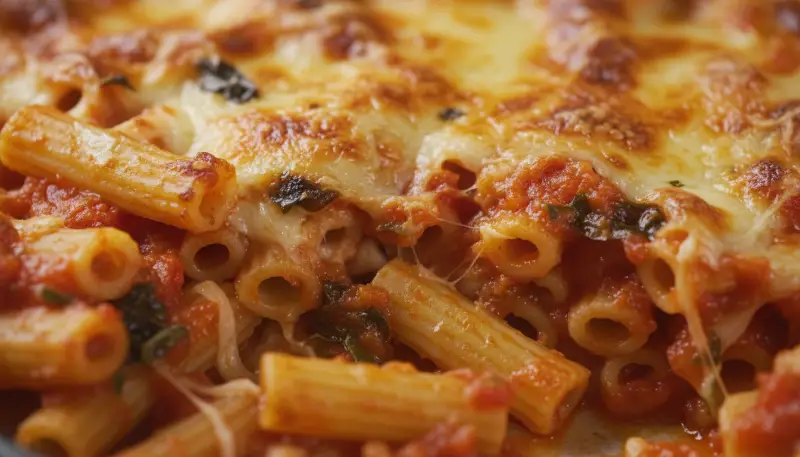
The way you assemble your Baked Ziti can drastically change the eating experience. Rather than just mixing everything in a bowl and dumping it into a dish, try the layering method. Start with a thin layer of sauce on the very bottom to prevent the pasta from sticking. Then, add half of your ziti, followed by dollops of the ricotta mixture. This creates “pockets” of creaminess throughout the Baked Ziti rather than a single, muddy flavor.
Finish with a generous layer of sauce and then a heavy hand of mozzarella. If you enjoy a bit of crunch on your edges, leave the corners slightly exposed to the direct heat of the oven. This creates those crispy, caramelized pasta bits that many people consider the best part of the Baked Ziti. For more inspiration on Italian-inspired meals, you can check our sitemap at foodzrecipes sitemap.
Side Dishes to Complete the Meal
While Baked Ziti is a complete meal on its own, it pairs beautifully with roasted vegetables or a crisp green salad. You can use the Cosori 9-in-1 TurboBlaze Air Fryer 6 Qt to quickly roast some broccoli or asparagus with lemon and garlic while your pasta is in the oven. The high heat of the air fryer provides a charred texture that balances the softness of the Baked Ziti perfectly.
Garlic bread is, of course, the classic accompaniment. Using the air fryer for garlic bread ensures a perfectly toasted exterior without heating up your whole kitchen with a second oven rack. The contrast of the crunchy bread against the cheesy, saucy Baked Ziti is a culinary match made in heaven.
Storage and Reheating Tips
Baked Ziti is famous for being even better the next day. As the dish sits, the pasta continues to absorb the nuanced flavors of the beef and spices. To store your leftovers properly, use the Rubbermaid Brilliance Glass Storage Set of 9. These containers are leak-proof and safe for reheating, ensuring your lunch the next day is just as delicious as the original dinner.
When reheating Baked Ziti, add a tiny splash of water or extra beef broth to the container before microwaving or placing it in the oven. This creates a bit of steam that re-hydrates the cheese and prevents the pasta from becoming tough. If you have a large amount of leftovers, Baked Ziti freezes exceptionally well for up to three months.
Frequently Asked Questions
Can I use Penne instead of Ziti?
Yes, Penne is a perfect substitute for Baked Ziti. The main difference is that Penne has ridges and pointed ends, whereas Ziti is smooth and has square-cut ends. Both will hold the sauce effectively, though Ziti is more traditional for this specific casserole style.
How do I prevent my Baked Ziti from being dry?
The key to a moist Baked Ziti is using enough sauce. You should always feel like you have slightly too much sauce before it goes into the oven, as the pasta will absorb a significant amount. Additionally, covering the dish with foil for the first half of the baking time traps moisture inside.
Can I make this recipe ahead of time?
Absolutely. You can assemble the entire Baked Ziti up to 24 hours in advance. Keep it covered in the refrigerator and simply add 10 to 15 minutes to the baking time since you will be starting from a cold temperature.
What is the best way to spice the beef?
Since we are not using pork sausage, seasoning the beef with fennel seeds, garlic powder, onion powder, and a touch of smoked paprika can give your Baked Ziti that complex, meaty flavor that usually comes from processed meats.