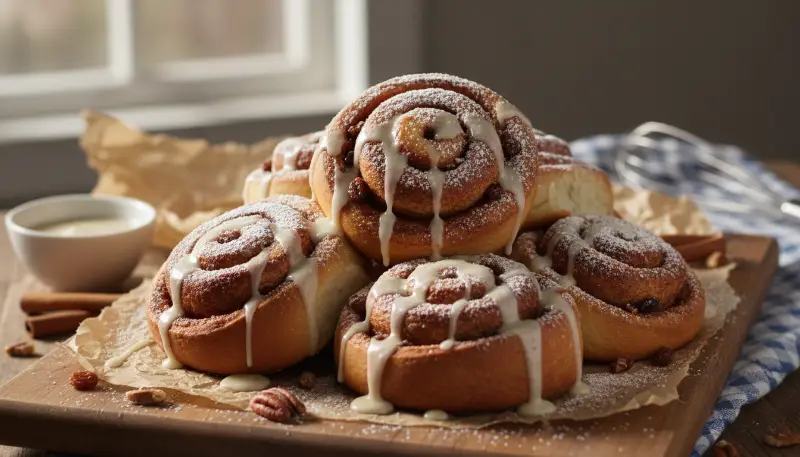
Discover the BEST Homemade Cinnamon Rolls with this comprehensive guide. Featuring a soft, pillowy dough, a luscious cinnamon-sugar swirl, and a rich, tangy cream cheese frosting, this recipe promises bakery-quality results right in your own kitchen. Learn essential techniques for perfect rising, rolling, and baking to achieve that irresistible gooey center every time. Say goodbye to dry, tough rolls and hello to fluffy, flavorful perfection!
Introduction to the BEST Homemade Cinnamon Rolls
There’s nothing quite like the comforting aroma of freshly baked cinnamon rolls wafting through your home. This recipe for the BEST Homemade Cinnamon Rolls is more than just a sweet treat; it’s an experience, a journey to soft, gooey perfection that will make weekend mornings (or any morning!) truly special. Forget store-bought versions; once you’ve tasted these warm, tender rolls drenched in creamy, sweet frosting, you’ll never go back. We’ve meticulously tested and perfected every step to ensure your success, from the first gentle knead of the dough to the final generous swirl of frosting.
Making cinnamon rolls from scratch might seem daunting, but with our detailed instructions and expert tips, you’ll find the process incredibly rewarding. The secret lies in a rich, tender dough that proofs beautifully, a generous amount of cinnamon-sugar filling that caramelizes to gooey perfection, and a classic cream cheese frosting that balances the sweetness with a delightful tang. Whether you’re a seasoned baker or just starting your culinary adventure, prepare to impress everyone with these truly spectacular cinnamon rolls. And if you’re looking for other amazing recipes to add to your repertoire, perhaps a hearty Classic Beef Lasagna or a comforting Creamy Tomato Soup could be your next culinary project.
Yields: 12 large cinnamon rolls
Prep time: Approximately 30-45 minutes active, plus rising times
Bake time: 27-32 minutes
Ingredients
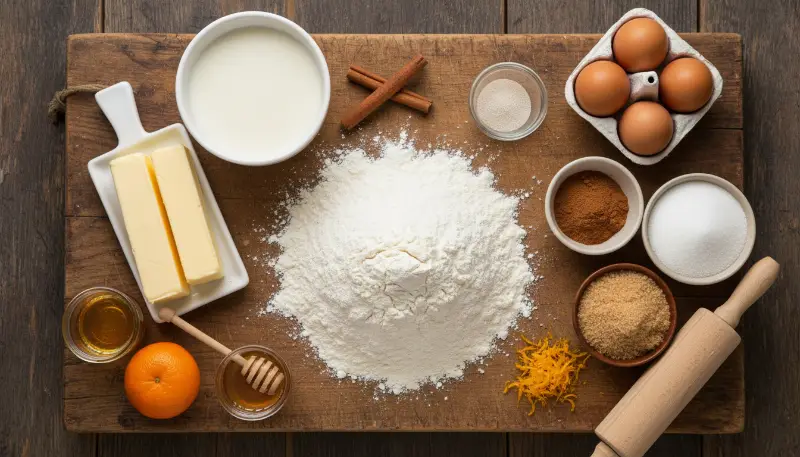
For the Dough:
- 1 cup (240ml) whole milk, warmed to 110-115°F (43-46°C)
- 2¼ teaspoons active dry yeast or instant yeast (one standard packet)
- ½ cup (100g) granulated sugar, divided
- 1 large egg, at room temperature
- ¼ cup (56g) unsalted butter, melted and cooled slightly
- 1 teaspoon vanilla extract
- ½ teaspoon salt
- 4 cups (480g) all-purpose flour, plus more for dusting
For the Filling:
- ½ cup (113g) unsalted butter, very soft, at room temperature
- 1 cup (200g) packed light brown sugar
- 2 tablespoons ground cinnamon
- Pinch of salt (optional, but enhances flavor)
For the Cream Cheese Frosting:
- 4 ounces (113g) cream cheese, softened
- ¼ cup (56g) unsalted butter, softened
- 2 cups (240g) powdered sugar
- ½ teaspoon vanilla extract
- 2-3 tablespoons whole milk or heavy cream, as needed for consistency
Instructions
-
1. Make the Dough:
- In the bowl of a stand mixer, combine the warm milk, 2 tablespoons of the granulated sugar, and the yeast. Stir gently and let it sit for 5-10 minutes until foamy. This “blooming” indicates the yeast is active.
- Add the remaining granulated sugar, egg, melted butter, vanilla extract, and salt to the yeast mixture. Mix lightly.
- Gradually add the flour, one cup at a time, mixing on low speed with a dough hook until a soft, slightly sticky dough forms and pulls away from the sides of the bowl.
- Increase speed to medium-low and knead for 5-7 minutes, until the dough is smooth and elastic. If kneading by hand, knead on a lightly floured surface for 8-10 minutes. The dough should be tacky, but not overly sticky. Avoid adding too much flour, as this can result in tough rolls. For quick meal prep in other areas of your kitchen, the Cuisinart 8 Cup Food Processor is a fantastic tool for fast chopping and slicing.
- Lightly grease a large bowl with butter or cooking spray. Place the dough in the bowl, turning once to coat. Cover tightly with plastic wrap or a clean kitchen towel.
-
2. First Rise (Bulk Fermentation):
- Let the dough rise in a warm, draft-free place for 1 to 1½ hours, or until doubled in size. A slightly warm oven (turned off, with just the light on) can provide an ideal environment.
-
3. Prepare the Filling:
- While the dough is rising, in a medium bowl, combine the very soft butter, brown sugar, ground cinnamon, and pinch of salt. Mix until well combined and a spreadable paste forms.
-
4. Assemble the Rolls:
- Once the dough has doubled, gently punch it down to release the air.
- Lightly flour a clean work surface. Roll the dough into a large rectangle, approximately 18×12 inches (45×30 cm) and about ¼ inch thick.
- Evenly spread the cinnamon filling over the dough, leaving a ½-inch border on one of the long edges.
- Starting from the long edge opposite the ½-inch border, tightly roll the dough into a log. Pinch the seam gently to seal it.
- Using a sharp knife or unflavored dental floss, cut the log into 12 equal pieces (about 1½ to 2 inches thick each).
-
5. Second Rise (Proofing):
- Lightly grease a 9×13-inch baking pan. Arrange the cut cinnamon rolls in the prepared pan, leaving a little space between them.
- Cover the pan loosely with plastic wrap or a clean kitchen towel. Let the rolls rise in a warm place for another 30-60 minutes, or until they look visibly puffy and almost doubled in size.
-
6. Bake the Cinnamon Rolls:
- Preheat your oven to 350°F (175°C) during the last 15-20 minutes of the second rise.
- Bake for 27-32 minutes, or until the rolls are golden brown and cooked through. If the tops are browning too quickly, you can loosely tent the pan with aluminum foil.
- Transfer the pan to a wire rack and let the rolls cool for about 5-10 minutes before frosting.
-
7. Prepare and Apply Frosting:
- While the rolls are baking, prepare the cream cheese frosting. In a medium bowl, beat together the softened cream cheese and softened butter until smooth and creamy.
- Gradually add the powdered sugar, mixing until fully incorporated. Stir in the vanilla extract.
- Add milk or heavy cream, one tablespoon at a time, until the frosting reaches a smooth, spreadable consistency.
- Spread the frosting generously over the warm (but not hot) cinnamon rolls. This allows some of the frosting to melt into the rolls, making them extra gooey.
- Serve immediately and enjoy! For more varied breakfast and brunch ideas, explore our recipes, including a vibrant Mediterranean Chicken Bowl for a healthy start.
Top 10 Frequently Asked Questions about Homemade Cinnamon Rolls
- Why didn’t my cinnamon rolls rise?
This is often due to inactive or expired yeast, or using liquid that is too hot or too cold, which kills or deactivates the yeast. Ensure your milk is between 110-115°F (43-46°C).
- Why are my cinnamon rolls tough or dry?
Common culprits include adding too much flour, over-kneading the dough, or overbaking the rolls. Measure flour by weighing it for accuracy, knead just until smooth and elastic, and avoid baking for too long.
- Why did the filling leak out during baking?
This can happen if the filling isn’t firm enough, or if the dough wasn’t rolled tightly enough. Ensure your butter for the filling is at room temperature but not melted, creating a good paste consistency, and roll the dough very tightly to seal the filling in.
- How do I get soft and fluffy cinnamon rolls?
Use good quality, fresh ingredients (especially yeast, butter, and eggs), ensure proper kneading to develop gluten without overworking, and allow sufficient rising time in a warm environment.
- Can I prepare cinnamon rolls the night before?
Yes, many recipes allow for an overnight rise in the refrigerator. After shaping and placing the rolls in the pan, cover them tightly and refrigerate overnight. The next morning, let them come to room temperature and proof for about 60-90 minutes before baking.
- Why is my frosting too runny or too thick?
Adjust the consistency by adding more powdered sugar if it’s too runny, or more milk/cream (a teaspoon at a time) if it’s too thick.
- What’s the best way to cut cinnamon rolls?
A sharp serrated knife or unflavored dental floss can be used. Dental floss often yields cleaner cuts by wrapping it around the log and pulling to slice through.
- Why are my cinnamon rolls undercooked in the middle?
This can be due to baking at too low a temperature, not baking long enough, or packing the rolls too tightly in the pan, which prevents even heat distribution. Ensure your oven is preheated to the correct temperature.
- How do I store leftover cinnamon rolls?
Store them in an airtight container at room temperature for up to 2 days, or in the refrigerator for up to 5 days. Reheat gently in the microwave or oven for best results. For everyday storage of these delicious rolls or your general meal prep, we highly recommend the Rubbermaid Brilliance Glass Storage Set of 9. Its leak-proof design and stackable nature make it an essential for every kitchen. If you’re making a big batch and want to keep extra dough or baked rolls fresh for even longer, a FoodSaver Vacuum Sealer Machine is excellent for preventing freezer burn and maintaining peak freshness.
- Can I use bread flour instead of all-purpose flour?
Yes, bread flour can be used, and it may result in a slightly chewier texture due to its higher protein content. All-purpose flour generally yields a softer, fluffier roll.
For making other delicious foods like homemade tahini sauce or achieving perfectly roasted vegetables and chickpeas, consider these kitchen powerhouses: the Ninja BN751 Professional Plus DUO Blender with its 1000W motor, and the Cosori 9-in-1 TurboBlaze Air Fryer 6 Qt for large family capacity and impeccable results.